Transmission towers and overhead lines
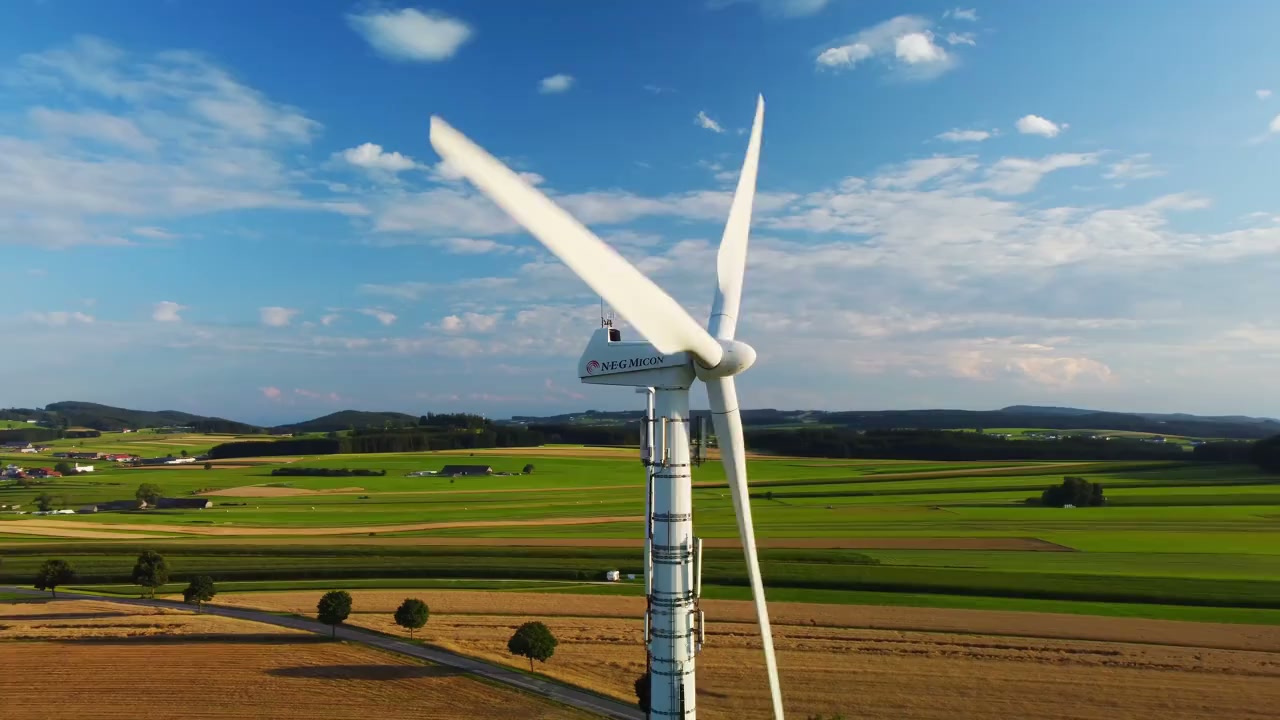
Assess severe-wind loading, tower vulnerability and the implications for asset performance. Tower-foundation flooding and scour can be included as a separate assessment.

Carbon & ESG
Understand how climate hazards affect your assets. Connect climate evidence with engineering limits, operational safeguards and prioritised adaptation actions.
Explore our approachEngineering evidence for adaptation
A climate hazard becomes an engineering question when it is connected to the way an asset is designed, operated and protected.
ESAC brings climate analysis and specialist engineering inputs together to assess vulnerability, explain uncertainty and identify adaptation priorities. We examine the relevant asset limits and failure mechanisms, then connect findings with measures that owners and operators can plan.
Use the assessment to support asset renewal, operational resilience, retrofit planning or targeted investigation of an existing climate-risk finding.
Explore Power, Energy & UtilitiesAssessment applications
The final asset and hazard combinations are selected for your assignment. Heat, wind and flooding are assessed where they are material to the asset and its operating context.
Assess severe-wind loading, tower vulnerability and the implications for asset performance. Tower-foundation flooding and scour can be included as a separate assessment.
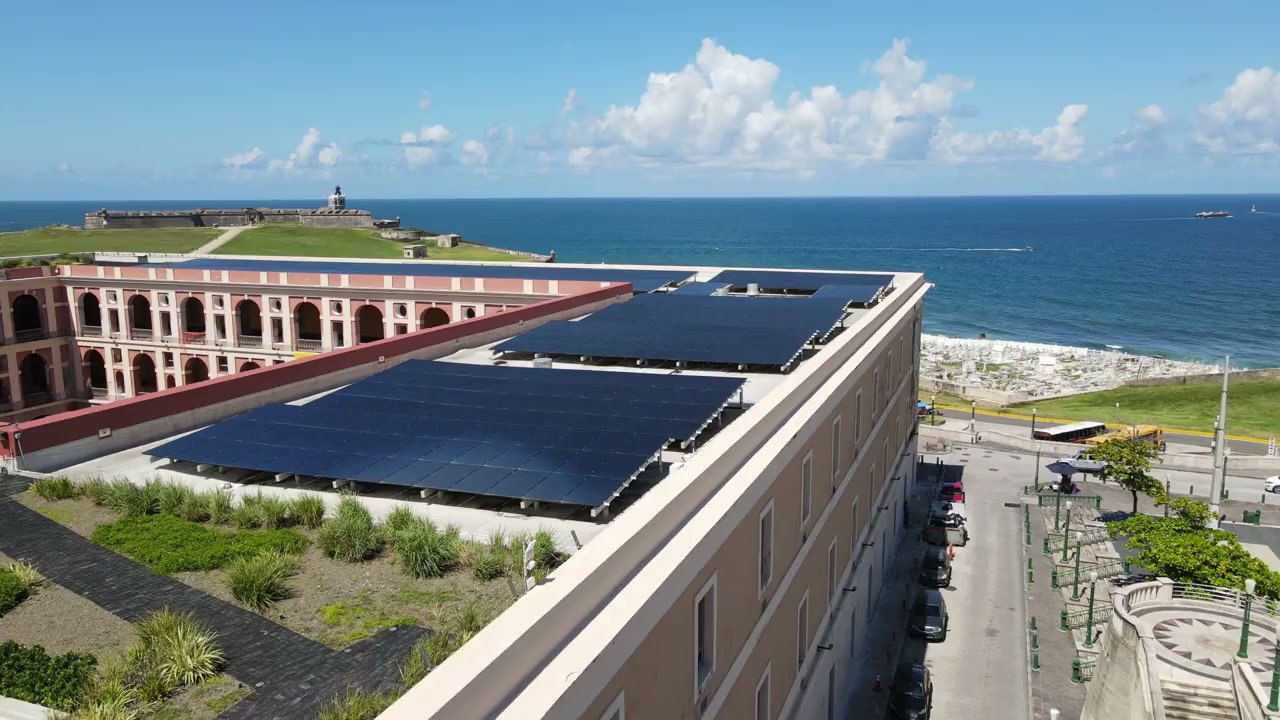
Evaluate how higher temperatures affect permissible loading, thermal performance and insulation ageing, using the available design and operating evidence.
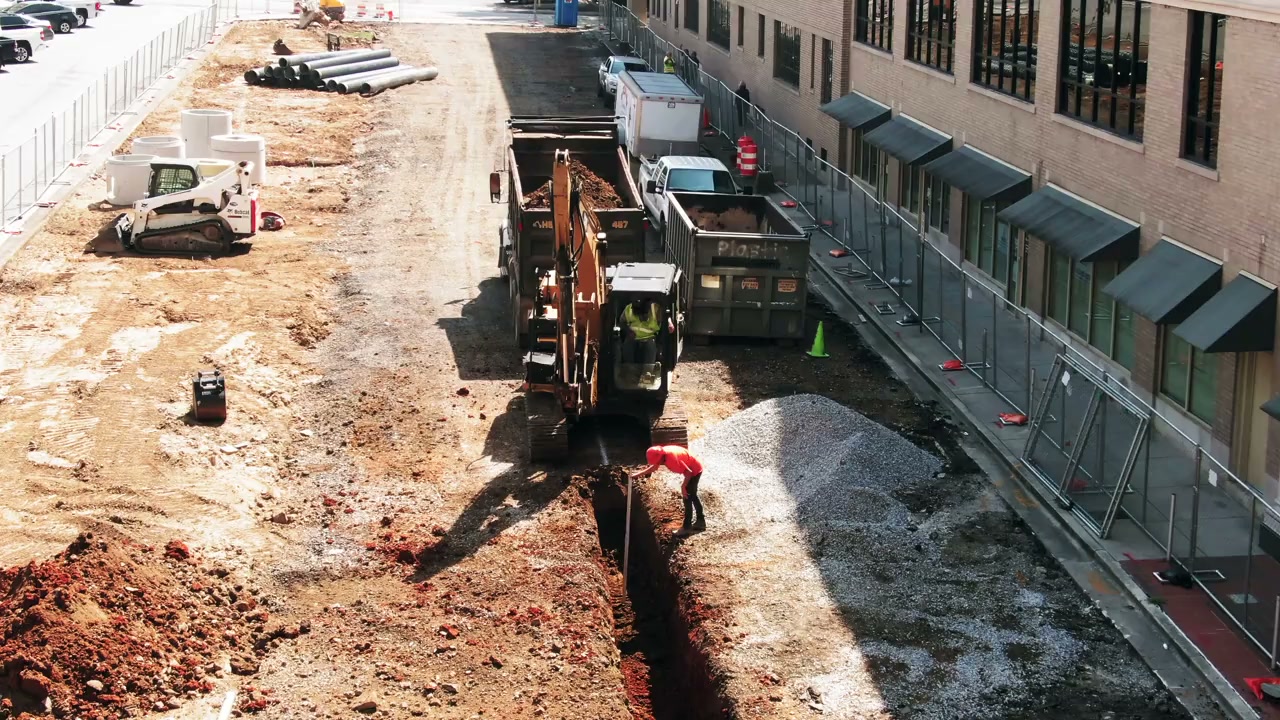
Assess flood pathways, equipment and floor levels, drainage, access and the safeguards that support recovery after an event.
Examine indoor heat, cooling performance and operating conditions under agreed future-weather scenarios.
Scope the effects of changing seawater temperature on cooling-water systems where this is relevant to the asset and available data.
Prioritise assets and assessment cases by exposure, service importance, consequences, redundancy, design life and data readiness.
Service in practice
Understand how climate hazards affect the performance and resilience of your assets.
Workflow overview. Detailed methods, review stages and deliverables follow the agreed project scope.
From scope to action
Agree the assets, components, hazards, scenarios and time horizons. Identify critical functions, dependencies and the decisions the assessment must support.
Review design criteria, equipment ratings, drawings, operating records and maintenance evidence. Record material gaps before making performance comparisons.
Check location, units, averaging time, reference height and return period. Document conversions and uncertainty so climate values and design limits are comparable.
Evaluate credible failure mechanisms such as damage, derating, shutdown and delayed restoration. Test whether safeguards are evidenced and effective under the assessed conditions.
Compare operational measures, retrofit options and renewal opportunities. Prepare actions with owners, timing, concept-level costs and a clear record of what needs further investigation.
A traceable assessment
Deliverables are agreed around the selected assets, hazards and decision requirements.
Conclusions distinguish supported findings, potential vulnerabilities and insufficient information. Reports and supporting records are provided in the agreed editable and PDF formats.
Tools & software
We select the calculation method and specialist modelling scope around the asset, available records and required level of assessment.
Climate inputs may include CMIP6 projections, ERA5 reanalysis and station observations. These are data sources; their suitability and uncertainty are reviewed before use.
Detailed simulation is targeted at cases where it is needed to resolve the engineering question.
Connect asset locations with climate grids, terrain, catchments and spatial constraints.
Assess overhead-line and tower loading under the agreed wind conditions against the available design basis.
Support tower, foundation and building structural checks where required by the assessment.
Assess flood depth and flow velocity around assets; support a separately scoped foundation flood/scour assessment where relevant.
Compare indoor thermal conditions and cooling performance using agreed future-weather inputs.
Review asset layouts, levels, equipment positions and structural or drainage drawings.
Provide transparent case worksheets, evidence registers, adaptation comparisons and concept-level cost models.
Planning your assessment
EIA and ESIA assess a project’s effects on the environment and people. This service examines how climate hazards affect the assets themselves. The studies can share relevant baseline evidence and inform coordinated project decisions.
Yes. We review its coverage, assumptions and climate inputs, then identify where engineering evidence is needed to assess actual asset performance. Additional analysis targets the remaining decision-critical gaps.
The assessment supports risk, adaptation and investment decisions. Detailed design, redesign, testing and certification require separately agreed appointments and deliverables.
No. The assessment starts with the available records. Visits, specialist surveys and detailed models are selected where they are needed to resolve a material uncertainty or support the agreed decision.
We record the limitation and identify the information needed to resolve it. Missing evidence is not treated as proof that an asset or safeguard is adequate.
Getting started
We will review the available evidence, identify gaps and agree the cases and deliverables with you.
Discuss your assessmentContinue exploring Carbon & ESG