Excel / Power BI
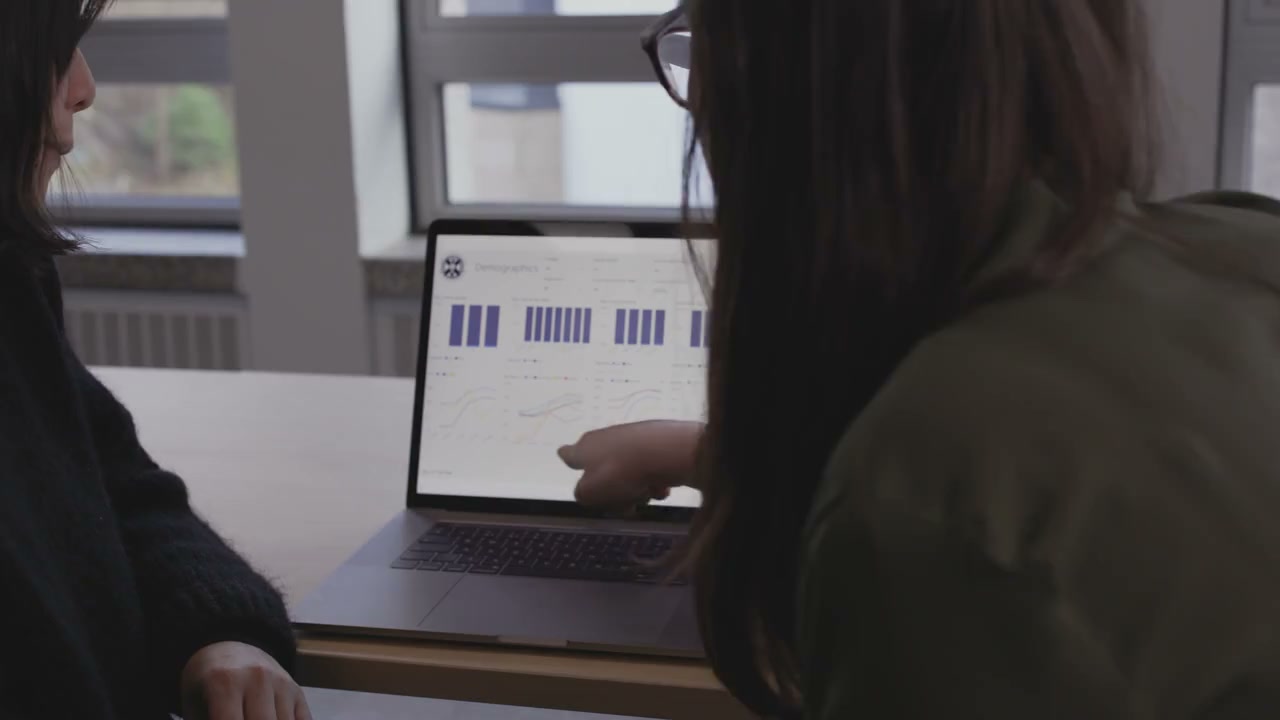
Structure activity data, calculations, review checks and performance reporting.

Carbon & ESG
Identify a practical sequence of measures to reduce emissions and respond to transition pressures.
Explore our approachCarbon & ESG
Identify a practical sequence of measures to reduce emissions and respond to transition pressures. Assess the baseline, evaluate measures and dependencies and compare pathways against technical feasibility, cost, transition risks and implementation capacity. The plan connects emissions opportunities with asset life, business priorities and external dependencies. It distinguishes measures under direct organisational control from actions involving suppliers, infrastructure or technology development, giving decision-makers a practical sequence for investment, delivery and periodic reassessment as assumptions change.
Assess the baseline, evaluate measures and dependencies and compare pathways against technical feasibility, cost, transition risks and implementation capacity.
Service in practice
Identify a practical sequence of measures to reduce emissions and respond to transition pressures.
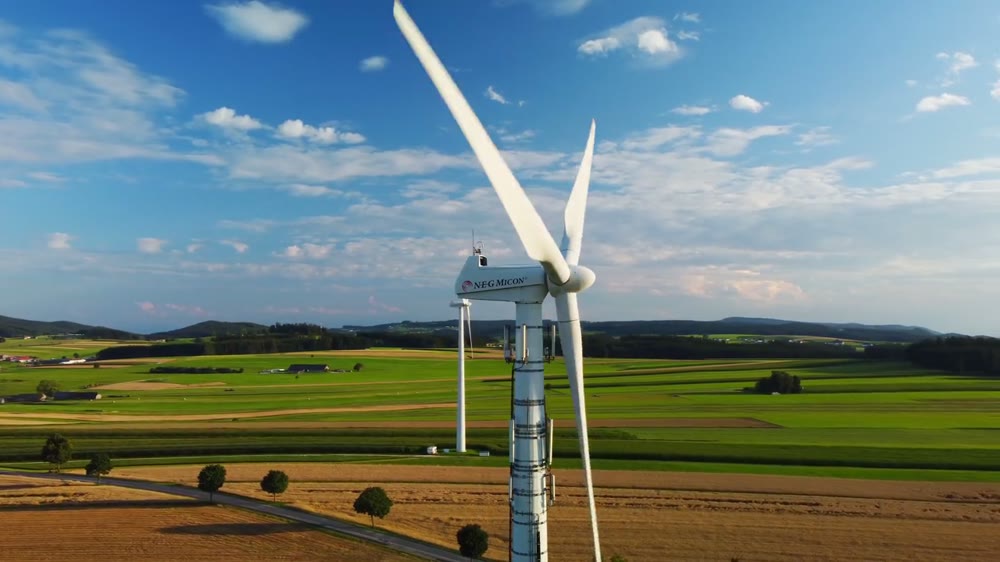
Workflow overview. Detailed methods, review stages and deliverables follow the agreed project scope.
From scope to delivery
Confirm emission sources, existing commitments and the operational or commercial drivers shaping the transition.
Develop options across operations, equipment, energy supply and relevant value-chain activities.
Compare technical feasibility, indicative costs, implementation constraints and exposure to relevant transition risks.
Sequence measures with owners, milestones and monitoring arrangements, identifying decisions requiring further engineering or commercial study.
What you receive
Deliverables and the level of detail are agreed for your assignment.
The roadmap evaluates options and assumptions; it does not guarantee future reductions, funding outcomes or external target validation.
Tools & methods
The methods and specialist software are selected around the question, available information and agreed scope. Assumptions and limitations remain part of the technical record.
Structure activity data, calculations, review checks and performance reporting.
Maintain traceable activity data, emission factors, calculations and review records.
Getting started
We will review the available evidence and define the work needed to address your project question.
Discuss your projectContinue exploring Carbon & ESG