
Each module is presented with approach, tools and deliverables.

Service pillar 02
Waste, Circularity & Resource Recovery
ESAC helps organisations reduce waste, recover material value and design circular systems that improve performance across assets, portfolios and supply chains.
Circular economyWaste systemsRecoveryEPR
Copy is written for clients, partners and project stakeholders.
The service is backed by specialist ESAC teams working in coordination.
Service architecture
How the pillar is structured.
This service is organised as a group of focused workstreams that can be delivered individually or combined into one integrated programme.
Define scope and prioritiesApply the right tools and evidenceProduce
decision-ready outputsSupport approvals and implementation
Connected divisions
The teams behind delivery.
Clients access one coordinated service while ESAC coordinates the most relevant specialist divisions behind the scenes.


Detailed sub-services
What this service includes, how it is delivered and what clients receive.
Each sub-service below sets out the delivery approach, the typical software or platforms involved, and the outputs clients can expect at the end of the engagement.
01
Waste baseline audits & material flow review
Operational diagnostics that show where waste is generated, how materials move and where recovery potential is being missed.
Approach
We combine site observations, weighbridge data, contractor records and stakeholder interviews to map material streams and establish a credible baseline for action.
Typical tools & platforms
Excel data modelsPower BIMaterial flow analysis chartsGIS
routing mapsSurvey tools
Key deliverables
- Waste baseline audit
- Material flow map
- Diversion baseline dashboard
- Priority action register
02
Circular strategy & opportunity mapping
Strategic planning that turns circular-economy ambition into practical programmes with measurable commercial and environmental outcomes.
Approach
Our teams identify priority streams, test circular business cases, compare reuse pathways and sequence initiatives based on value, feasibility and implementation readiness.
Typical tools & platforms
MFA / Sankey diagramsOpenLCA / LCA toolsExcel scenario
modelsMiro workshopsPowerPoint strategy boards
Key deliverables
- Circularity roadmap
- Opportunity portfolio
- Implementation phasing plan
- Leadership briefing pack
03
Diversion, segregation & zero-waste programmes
Operational programmes that improve segregation, increase diversion and embed circular practices into day-to-day delivery.
Approach
We design segregation logic, service models, signage and reporting routines, then support mobilisation through pilots, training and supplier coordination.
Typical tools & platforms
Operational SOPsPower BI diversion dashboardsQR / mobile inspection
formsLayout drawingsExcel trackers
Key deliverables
- Diversion programme design
- Segregation matrix
- Pilot implementation pack
- Monthly performance dashboard
04
EPR, compliance & packaging support
Support for producer-responsibility, packaging and regulatory requirements where materials, products and reporting obligations intersect.
Approach
We map obligations, review data availability, structure governance responsibilities and help teams prepare reporting and compliance documentation.
Typical tools & platforms
Compliance registersPackaging data calculatorsExcel reporting
templatesSharePoint workflowsPower BI
Key deliverables
- Compliance obligations matrix
- Producer-responsibility action plan
- Packaging data template
- Submission support notes
05
Resource-recovery infrastructure & business cases
Feasibility and planning support for recovery facilities, transfer systems and material-value projects that need robust technical and commercial logic.
Approach
We compare configuration options, test throughput assumptions, model value-recovery scenarios and translate findings into decision-ready investment cases.
Typical tools & platforms
Mass-balance modelsCapex / opex calculatorsGIS catchment
mappingProcess diagramsPower BI scenario boards
Key deliverables
- Concept options study
- Business case summary
- Infrastructure brief
- Implementation recommendation report
Added value
What clients gain by working with ESAC.
This service is designed to create technical depth, clearer approvals pathways and stronger performance visibility across the full project lifecycle.
Lower disposal dependence
Strategies are designed to reduce landfill reliance and improve resource productivity.
Practical circularity
Recommendations connect policy ambition with operating models, contractors and measurable KPIs.
Cross-functional integration
Circularity is linked to carbon, governance, hazardous waste and procurement considerations.
Decision-ready business cases
Commercial, operational and environmental arguments are presented in one clear package.
Where this service is applied
Representative programme contexts.
Examples of the environments where this pillar helps clients move more confidently from planning into delivery, compliance and long-term performance.
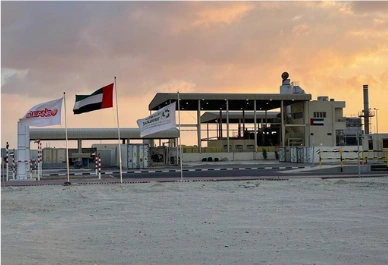
Municipal and city-scale systems
Circular strategy, diversion frameworks and recovery planning for public-sector portfolios.
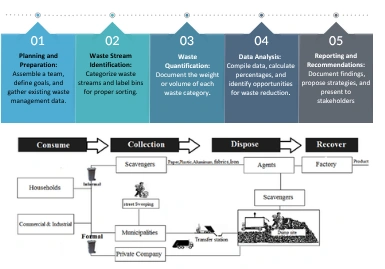
Industrial and manufacturing operations
Waste diagnostics and resource-efficiency programmes for high-volume operational settings.
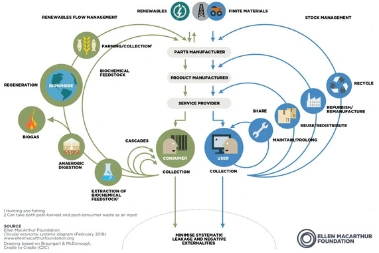
Mixed-use developments and campuses
Segregation design, reporting and stakeholder activation for complex occupier environments.
Explore related pillars
See how this service connects to the wider ESAC platform.
Many client programmes require neighbouring technical, governance and digital capabilities. The related service pillars below show where additional value can be integrated.