AutoCAD
Prepare and coordinate road-layout and access drawings within the agreed design scope.

Traffic & Roads
Compare how alternative layouts or demand scenarios may perform.
Explore our approachTraffic & Roads
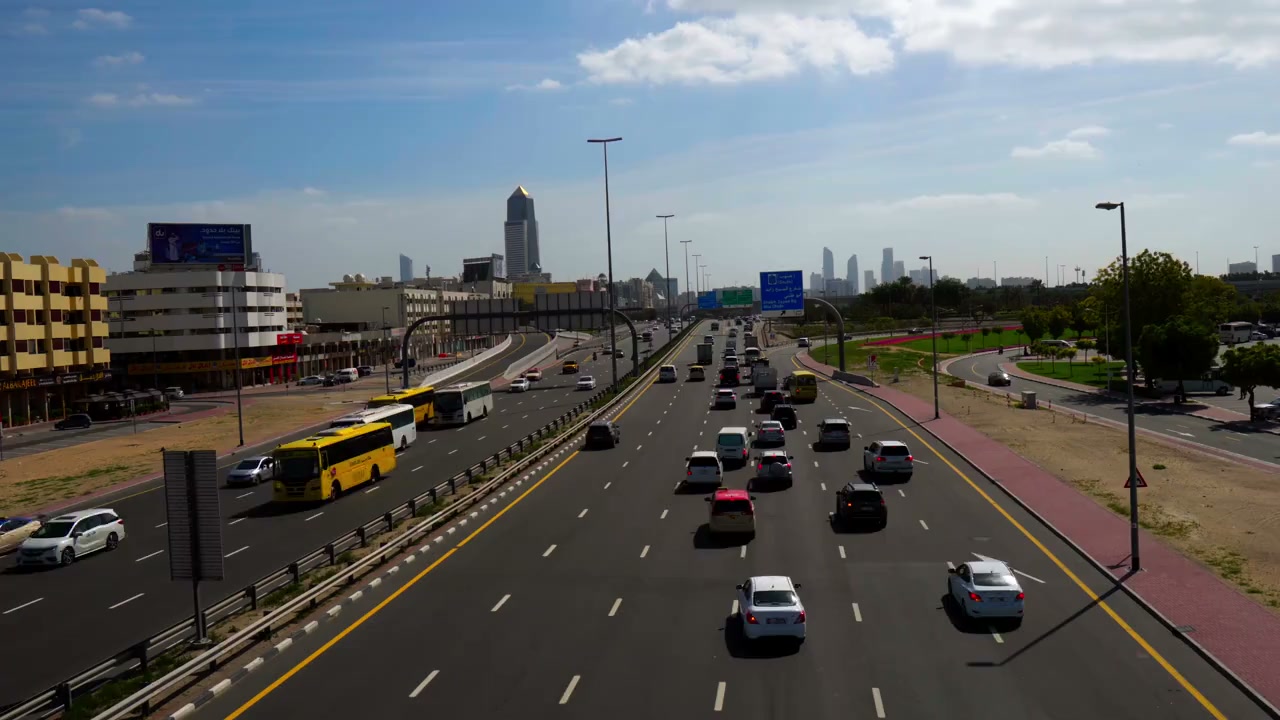
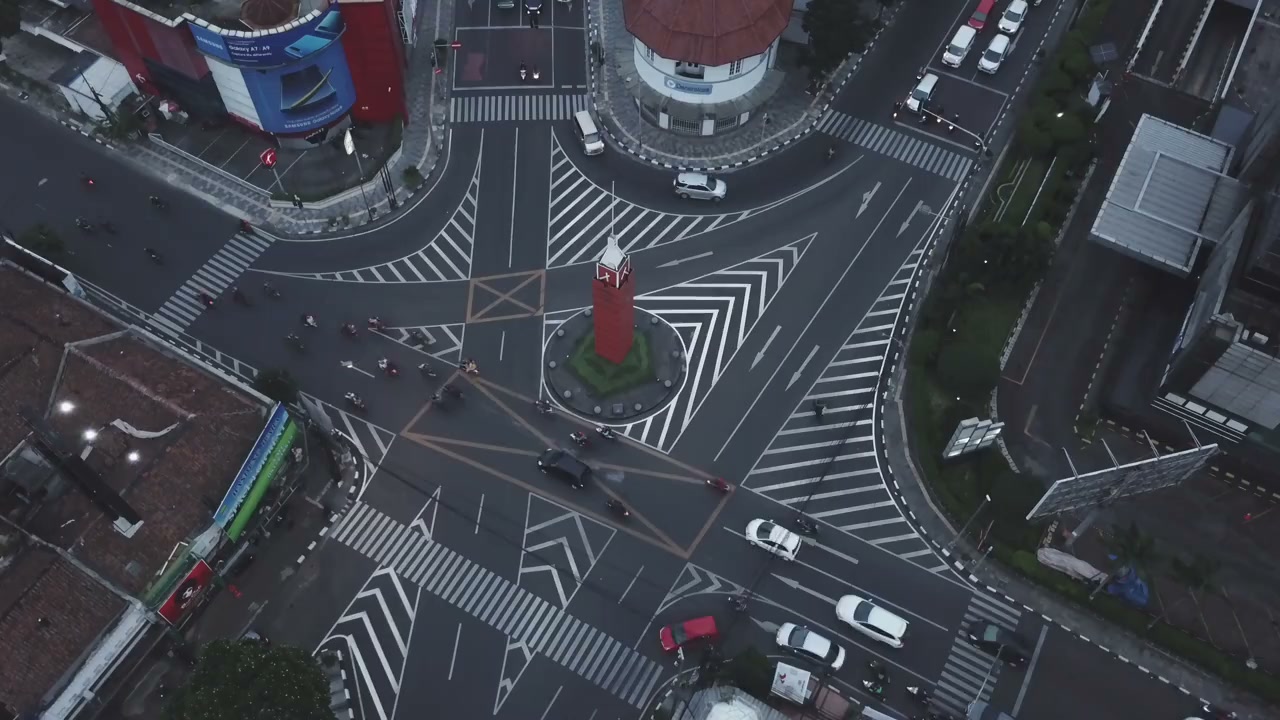
Compare how alternative layouts or demand scenarios may perform. Agree the modelling approach, validate the baseline against available observations and test scenarios with documented assumptions. The model is used to explain the operational consequences of specific choices, including layout changes, development phases or demand growth. Results are interpreted alongside observed conditions and model limits, helping the team compare alternatives without treating a single performance measure as a complete picture of network behaviour.
Agree the modelling approach, validate the baseline against available observations and test scenarios with documented assumptions.
Service in practice
Compare how alternative layouts or demand scenarios may perform.
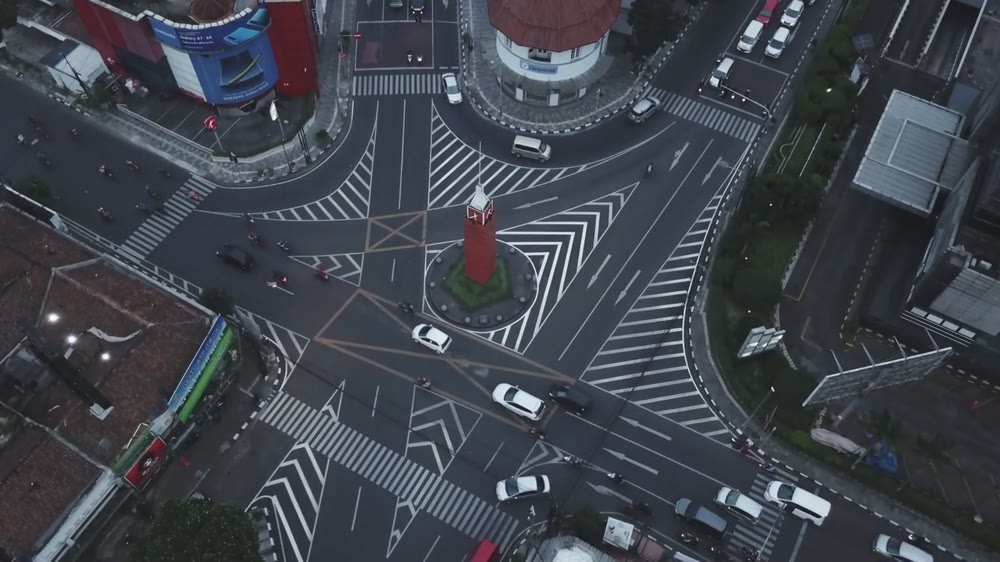
Workflow overview. Detailed methods, review stages and deliverables follow the agreed project scope.
From scope to delivery
Agree the junctions or network, time periods, scenarios and performance measures relevant to the project.
Assemble geometry, demand and control inputs and evaluate the baseline against available observations.
Assess demand and layout options using consistent assumptions and sensitivity checks for influential inputs.
Compare scenario results and recommend junction or network changes, recording uncertainty and remaining evidence needs.
What you receive
Deliverables and the level of detail are agreed for your assignment.
The model type and software platform are confirmed with the transport lead for the agreed task; simulation cannot eliminate uncertainty in future demand.
Tools & methods
The methods and specialist software are selected around the question, available information and agreed scope. Assumptions and limitations remain part of the technical record.
Prepare and coordinate road-layout and access drawings within the agreed design scope.
Map the development, network context and environmental interfaces.
Organise traffic inputs, scenario assumptions and design checks.
Getting started
We will review the available evidence and define the work needed to address your project question.
Discuss your projectContinue exploring Traffic & Roads