Excel / Power BI
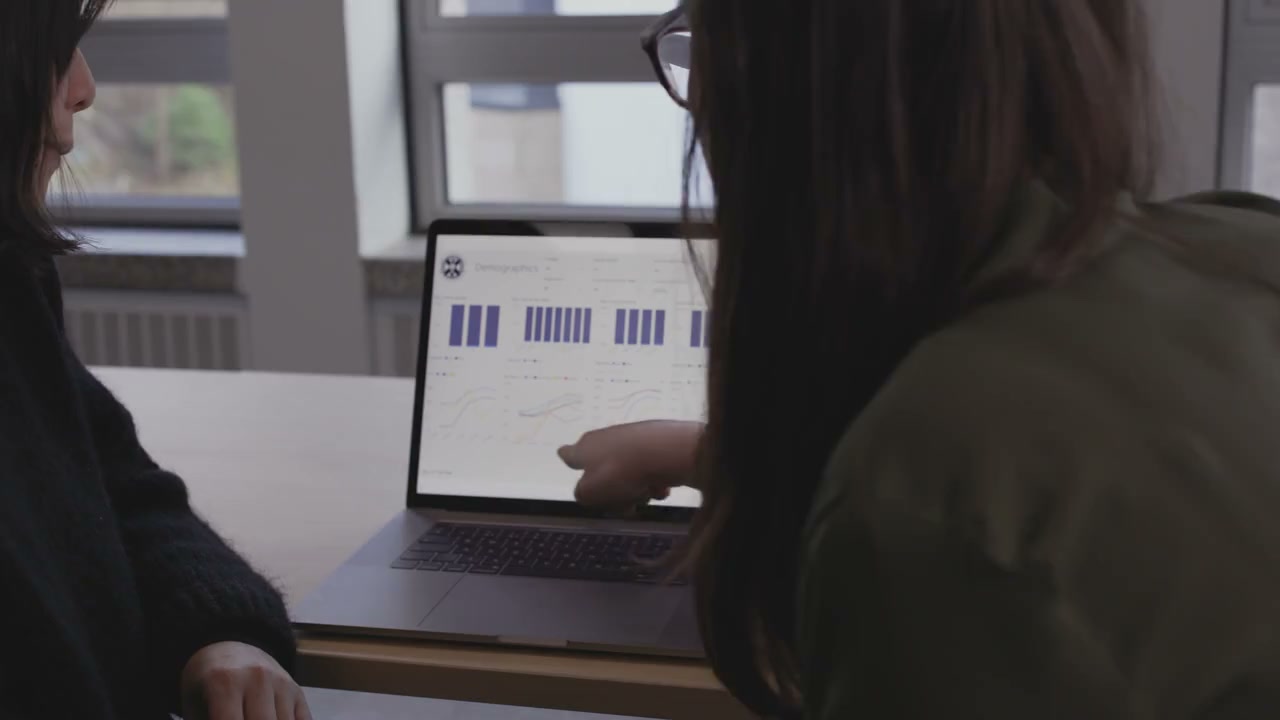
Structure activity data, calculations, review checks and performance reporting.

Carbon & ESG
Establish a traceable emissions baseline for an organisation, asset or product scope.
Explore our approachCarbon & ESG
Establish a traceable emissions baseline for an organisation, asset or product scope. Define the boundary and reporting basis, collect activity data, document factors and assumptions and perform review checks. The inventory makes the relationship between activity records and reported emissions transparent. It identifies material data gaps and establishes a consistent basis for future updates, allowing the organisation to understand its emissions profile, focus improvement work and prepare evidence for subsequent reporting or independent review.
Define the boundary and reporting basis, collect activity data, document factors and assumptions and perform review checks.
Service in practice
Establish a traceable emissions baseline for an organisation, asset or product scope.
Workflow overview. Detailed methods, review stages and deliverables follow the agreed project scope.
From scope to delivery
Agree the reporting entity or product scope, period, included activities and accounting basis.
Map data owners and review fuel, energy, purchasing or other relevant records for completeness and consistency.
Apply documented factors and assumptions, check units and reconcile totals with the underlying activity evidence.
Present emissions, exclusions and uncertainty alongside the calculation workbook and priorities for improving future data.
What you receive
Deliverables and the level of detail are agreed for your assignment.
Organisational inventories and product footprints have different boundaries; independent verification is separate from preparation of the inventory.
Tools & methods
The methods and specialist software are selected around the question, available information and agreed scope. Assumptions and limitations remain part of the technical record.
Structure activity data, calculations, review checks and performance reporting.
Maintain traceable activity data, emission factors, calculations and review records.
Getting started
We will review the available evidence and define the work needed to address your project question.
Discuss your projectContinue exploring Carbon & ESG