Air quality and emissions
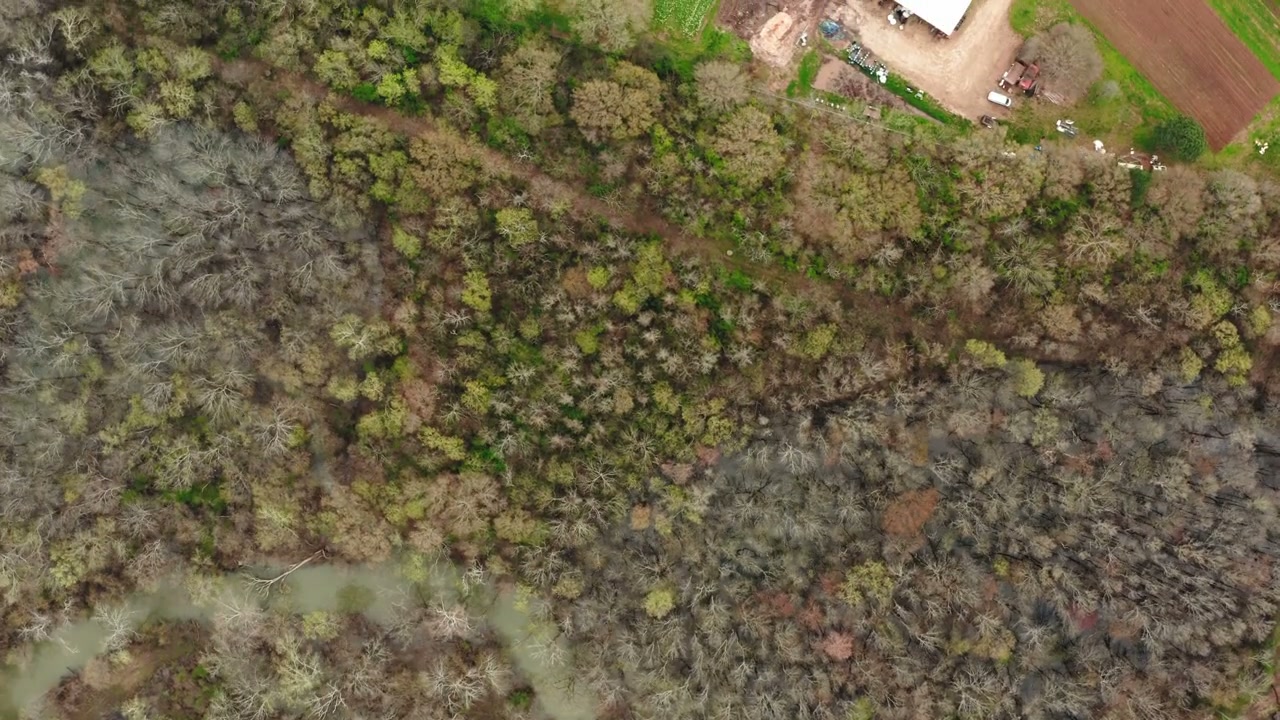
Construction dust, operational emissions and effects on sensitive receptors.

Understand the impacts. Shape a better project.
Identify how your project could affect its surroundings, compare practical alternatives, and define measures to manage environmental impacts throughout its lifecycle.
Delivery & regulatory roles
For Abu Dhabi submissions, ESAC’s current EAD registration is Class B. EIA, SEA and Terms of Reference require an appropriately approved lead consultant. ESAC’s technical support role, specialist delivery arrangements and submission responsibility are defined before accepting the assignment.
View our registrations & permitted scopeEnvironmental Impact Assessment
ESAC brings together environmental studies, specialist analysis and design coordination to help project teams make informed decisions.
We connect baseline conditions with predicted impacts, practical mitigation and clear commitments for construction and operation.
An Environmental Impact Assessment evaluates the likely environmental effects of a proposed project and explains how those effects can be avoided, reduced and managed.
We help you understand which impacts matter, how design choices influence them, and what evidence is needed to support the assessment and review process. Our work provides a traceable connection between project activities, environmental receptors, assessment findings and proposed controls.
Where this service fits
An EIA integrates environmental evidence, alternatives, predicted effects and mitigation. Baseline studies provide the existing-condition evidence. Where the brief requires an integrated social baseline, stakeholder engagement and assessment of social risks, use the ESIA service; the two scopes share environmental evidence rather than commissioning the same studies twice.
When to bring us in
This service can support:
The assessment topics and level of detail follow the project’s location, activities, agreed scope and applicable requirements.
Construction dust, operational emissions and effects on sensitive receptors.
Existing conditions, construction activities, operational sources and neighbouring receptors.
Water quality, drainage, discharges and pathways through which impacts may occur.
Soil disturbance, potential contamination and interactions with existing land uses.
Habitats, species, ecological connections and opportunities for avoidance and restoration.
Resource demand, waste generation, hazardous materials and management arrangements.
Greenhouse gas emissions and relevant climate risks, where included in the assessment scope.
Effects on nearby people, access, amenity, landscape or heritage where relevant, with specialist assessment coordinated as required.
We consider construction, operation and decommissioning where relevant, together with indirect effects and interactions with other developments.
Service in practice
Understand how a proposed project may affect its surroundings.
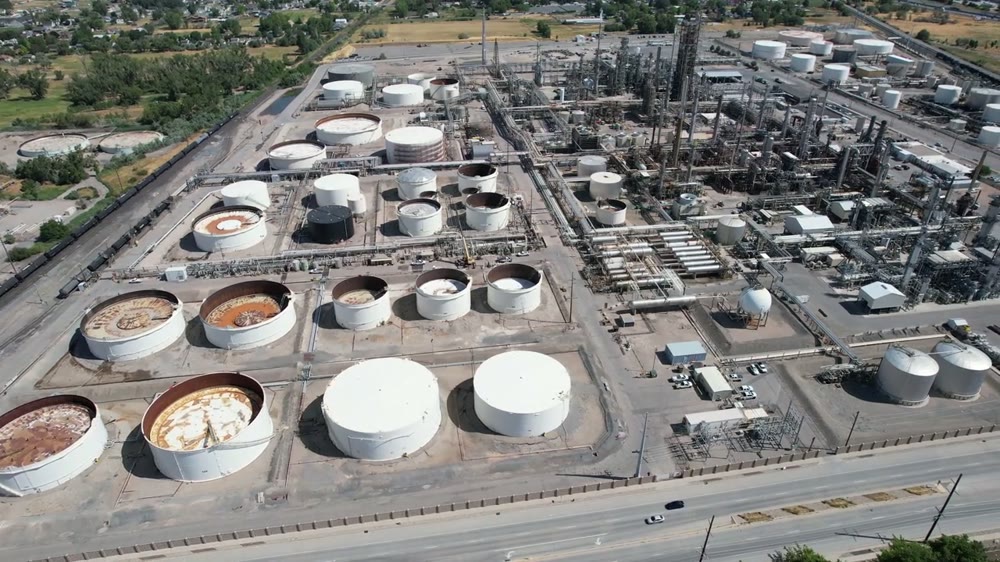
Workflow overview. Detailed methods, review stages and deliverables follow the agreed project scope.
From evidence to better design
We review the project description, screening outcomes, agreed scoping requirements and available authority correspondence.
We establish the assessment boundaries, technical topics, study methods and information needs. Responsibilities and interfaces are agreed with the client, designers and specialist teams so that everyone works from a consistent project description.
We review existing studies and identify where additional surveys, monitoring or investigations are needed.
The baseline programme is tailored to the site and assessment questions. We coordinate relevant fieldwork and specialist inputs, review data quality, and record seasonal limitations, assumptions and gaps that may affect interpretation.
We compare reasonable options for location, layout, technology, construction methods or operating arrangements, according to the decisions still open to the project.
Where relevant, the assessment includes the scenario without the proposed project. We document the environmental implications of the options and explain how the findings inform the preferred approach.
We connect project activities with the receptors they could affect, using appropriate calculations, spatial analysis, specialist studies and modelling.
We consider the nature, magnitude, extent, duration and reversibility of effects, alongside receptor sensitivity and likelihood where relevant. The assessment explains the significance criteria, supporting evidence and uncertainties.
Direct, indirect and cumulative effects are considered within the agreed scope.
We work with the project team to identify opportunities to avoid impacts through design, location or timing, then define measures to reduce and manage effects that remain.
Mitigation measures are linked to the impacts they address. We assess the residual effects—the effects expected after mitigation—and identify where further design work, investigation or management is needed.
We develop an environmental management and monitoring framework that connects assessment findings with implementation.
The framework identifies actions, responsible parties, timing, monitoring requirements and reporting arrangements. Where appropriate, it also sets out response triggers and corrective actions so that monitoring results can inform management decisions.
We integrate the specialist findings into a coordinated EIA report, supported by maps, technical appendices and an accessible summary.
Where included in the assignment, we support authority engagement and consultation, prepare responses to technical comments, and update the assessment to reflect agreed changes. Approval decisions remain with the relevant authority.
A coordinated assessment
The agreed deliverables may include:
Formats: Reports in agreed editable and PDF formats, with registers, drawings and spatial datasets where included in the scope.
Tools & software
We select tools according to the assessment questions, available data and required outputs. Data sources, assumptions and analytical limitations form part of the technical record.
Integrating site and environmental datasets; mapping receptors, survey locations and impact areas; comparing spatial relationships and design alternatives.
Reviewing project layouts and infrastructure drawings; coordinating environmental constraints and mitigation requirements with design information.
Applying documented significance criteria and recording impacts, mitigation and residual effects consistently across disciplines.
Tracking assumptions, information gaps, commitments, consultation comments and technical responses through assessment revisions.
Where the scope requires predictive modelling, we coordinate the relevant air quality, noise, water, marine or other specialist work. Model selection, input data, scenarios and verification requirements are defined for the individual assessment.
Supporting your decisions
Understand environmental implications while alternatives can still be considered.
Bring specialist findings together around a consistent project description.
Connect recommendations with the people and project stages responsible for delivery.
Show how evidence, assumptions and methods support assessment findings.
Carry environmental commitments into construction and operational planning.
Getting started
Share the information already available.
We will review the information, identify gaps and agree the assessment scope and programme.
Email a project briefBefore you begin
Screening and scoping establish the assessment needs and study boundaries. EIA develops the evidence, evaluates the impacts and defines mitigation and management commitments.
Yes. Starting while options remain open allows environmental findings to inform layout, technology, construction methods and operating arrangements. We document changes that affect the assessment.
We review its relevance, coverage, age and quality. Suitable data can support the assessment, with additional work targeted at material gaps.
No. The assessment is tailored to the project, its surroundings and the applicable requirements. Specialist surveys and models are included where they address relevant assessment questions.
Assessment commitments provide inputs to detailed design, construction and operational management plans, and monitoring programmes. Implementation support can be agreed as a subsequent service.
Let’s define the next step
Share your project location, development stage and available studies. We will help define the assessment work needed to understand impacts and plan practical mitigation.
Discuss Environmental Impact AssessmentContinue exploring Environmental Consulting