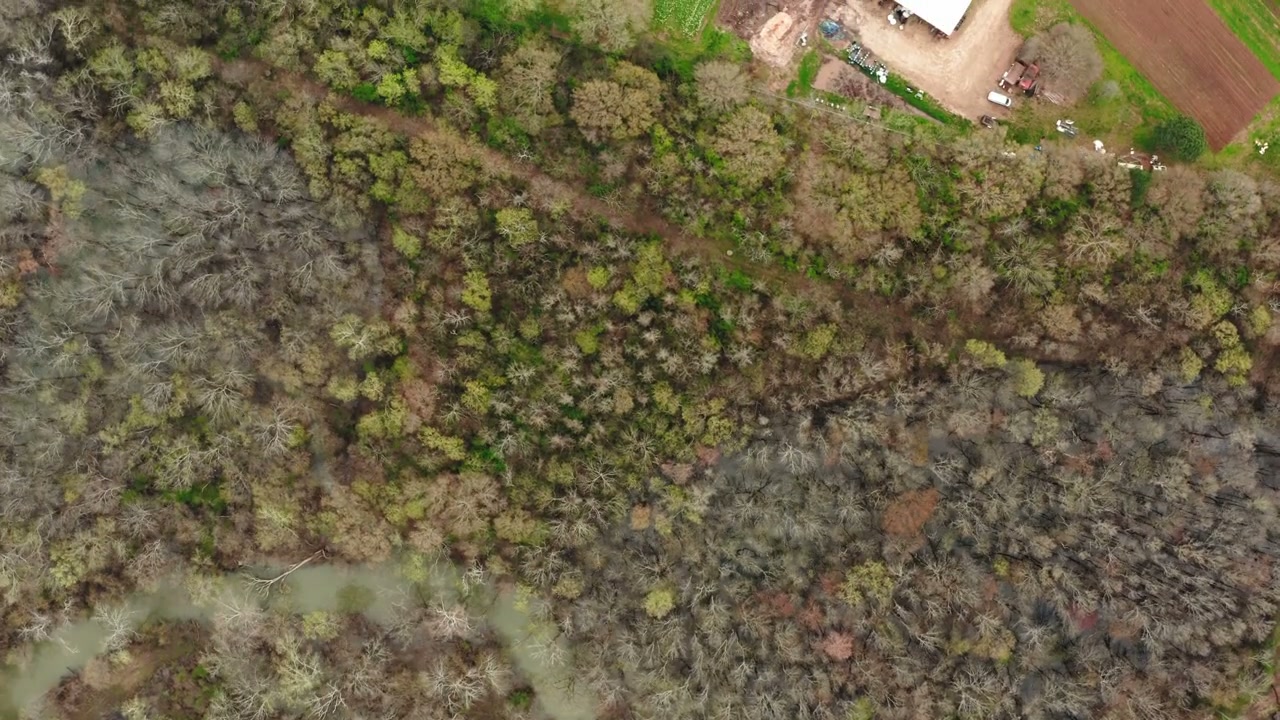
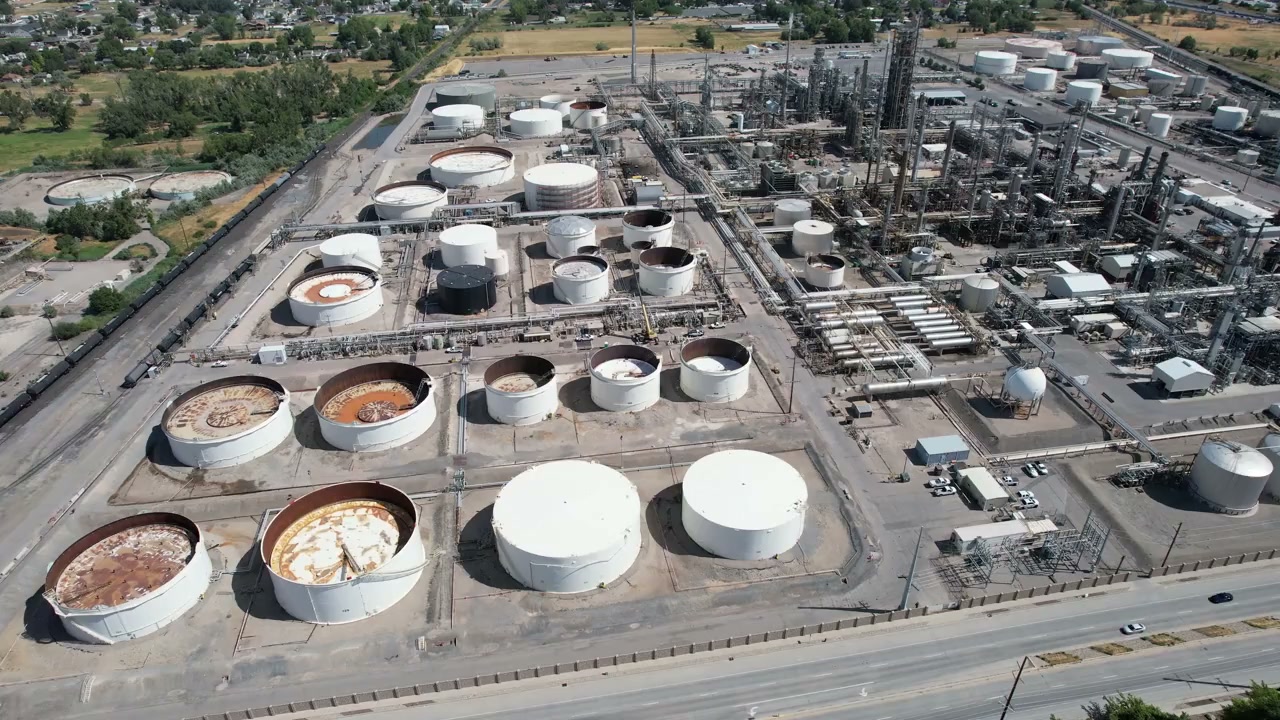
Location and surrounding land use
Nearby communities, sensitive facilities, existing developments and infrastructure interfaces.


Define the right environmental studies from the start.
Understand your site’s environmental sensitivities, identify the questions your project needs to address, and establish a clear scope for assessment.
Delivery & regulatory roles
For Abu Dhabi submissions, ESAC’s current EAD registration is Class B. EIA, SEA and Terms of Reference require an appropriately approved lead consultant. ESAC’s technical support role, specialist delivery arrangements and submission responsibility are defined before accepting the assignment.
View our registrations & permitted scopeEarly environmental advice
ESAC helps developers, operators and project teams bring environmental considerations into early decisions.
We review the proposed activities, available information and surrounding environment to identify potential constraints, clarify study needs and plan the next stages of investigation and assessment.
Screening helps identify the likely environmental assessment route and the issues that need attention. Scoping defines what should be studied, the methods and information required, and how the work should be coordinated.
Our aim is to give your team a practical starting point: the environmental questions to resolve, the evidence to collect and the decisions that depend on it.
Where this service fits
Screening identifies the likely issues and study route; scoping defines the questions, survey needs and assessment boundaries. Baseline surveys and detailed impact assessment follow the agreed scope. Submission coordination is available through Permitting & Authority Submission Support.
When to bring us in
This service can support:
The review is tailored to the project and may address:
Nearby communities, sensitive facilities, existing developments and infrastructure interfaces.
Terrestrial, coastal or aquatic sensitivities relevant to the project footprint.
Potential sources, nearby receptors and the need for baseline surveys or predictive studies.
Drainage, receiving waters, discharges, groundwater and potential contamination.
Resource use, waste streams, hazardous materials and associated management needs.
Construction, operation, closure where relevant, and interactions with neighbouring activities.
Service in practice
Establish the environmental questions before committing to design or fieldwork.
Workflow overview. Detailed methods, review stages and deliverables follow the agreed project scope.
From site to study scope
We review the proposed activities, location, footprint, capacity, construction methods and operational arrangements. We establish the development stage, the decisions the assessment must support and the information already available.
We examine previous studies, drawings, environmental records and relevant published information. Spatial analysis helps us identify sensitive receptors, site constraints and relationships between the project and its surroundings.
We record the sources, dates and limitations of the information used.
Where a site visit would resolve important uncertainties, we undertake an initial walkover to understand current activities, visible environmental conditions and surrounding receptors.
The findings help refine the scope of any specialist surveys or investigations.
We consider how project activities could affect people, habitats, land, air and water. We identify credible interactions, information gaps and opportunities to avoid or reduce impacts through early design decisions.
The screening records which issues require further assessment and why.
We define the proposed assessment topics, study boundaries, baseline requirements and technical methods. Where relevant, the scope addresses survey timing, seasonal coverage, alternatives, cumulative interactions and interfaces between specialist disciplines.
Any recommendation to exclude a topic is supported by a documented rationale.
We discuss the findings with the project team and support authority consultation where included in the assignment. We consolidate comments into a clear study scope, programme and allocation of responsibilities.
Formal assessment requirements and approval decisions remain with the relevant authority.
A practical assessment brief
The agreed deliverables may include:
Formats: Reports and registers in agreed editable and PDF formats, with drawings and spatial datasets where included in the scope.
Tools & software
Our tools support spatial analysis, drawing review, data checks and traceable study planning. We select the working environment according to the project, available information and client requirements.
Integrating site boundaries and environmental datasets; mapping receptors and constraints; examining proximity and spatial relationships; preparing assessment maps.
Reviewing development layouts, plot boundaries and infrastructure drawings, and coordinating environmental findings with design information.
Recording potential impacts, information gaps, study requirements, responsibilities and consultation outcomes. These are working methods rather than a separate software product.
Specialist modelling requirements—such as air dispersion, noise or marine modelling—are identified during scoping and developed through the relevant assessment workstream.
Supporting your decisions
Identify environmental sensitivities while design options remain open.
Give specialist teams a consistent understanding of the required work.
Connect surveys, design information and assessment activities.
Document the evidence, assumptions and reasons behind the proposed scope.
Understand information gaps and programme dependencies before commissioning detailed studies.
Getting started
Share the information you already have.
We will identify the additional information needed to develop a useful screening and scoping brief.
Email a project briefBefore you begin
Screening identifies the likely assessment needs and priority issues. A detailed impact assessment evaluates those issues using the agreed evidence, methods and specialist studies.
Yes. Preliminary information can support early screening. We record assumptions and identify which findings or study requirements should be revisited as the design develops.
We review their relevance, age, coverage and technical quality. Suitable information can inform the assessment, while gaps are addressed through targeted additional work.
Authority engagement can be included in the agreed scope, covering technical clarification, presentation of the proposed study approach and responses to review comments.
Let’s define the next step
Share your project location, proposed activities and development stage. We will help identify the environmental questions to resolve and the next studies to plan.
Discuss Environmental Screening & ScopingContinue exploring Environmental Consulting