Excel / Power BI
Build material balances, compare scenarios and track waste indicators.
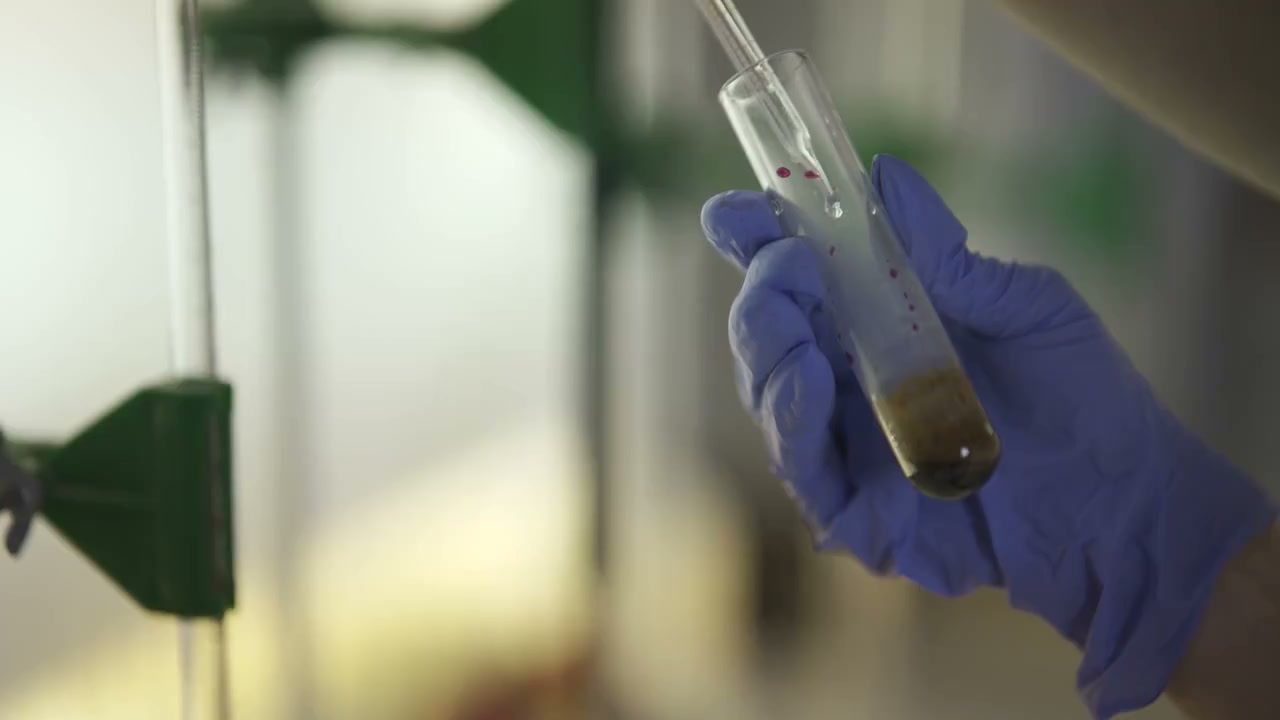
Waste & Circularity
Identify appropriate management routes for hazardous waste streams.
Explore our approachWaste & Circularity
Identify appropriate management routes for hazardous waste streams. Review process knowledge and analytical evidence, characterise waste streams and assess compatible storage, treatment and disposal options. The assessment connects waste properties with practical handling and downstream acceptance requirements. It highlights missing analytical evidence and incompatible assumptions before a management route is selected, supporting clearer instructions to the waste producer and more reliable discussions with authorised treatment or disposal providers.
Review process knowledge and analytical evidence, characterise waste streams and assess compatible storage, treatment and disposal options.
Service in practice
Identify appropriate management routes for hazardous waste streams.
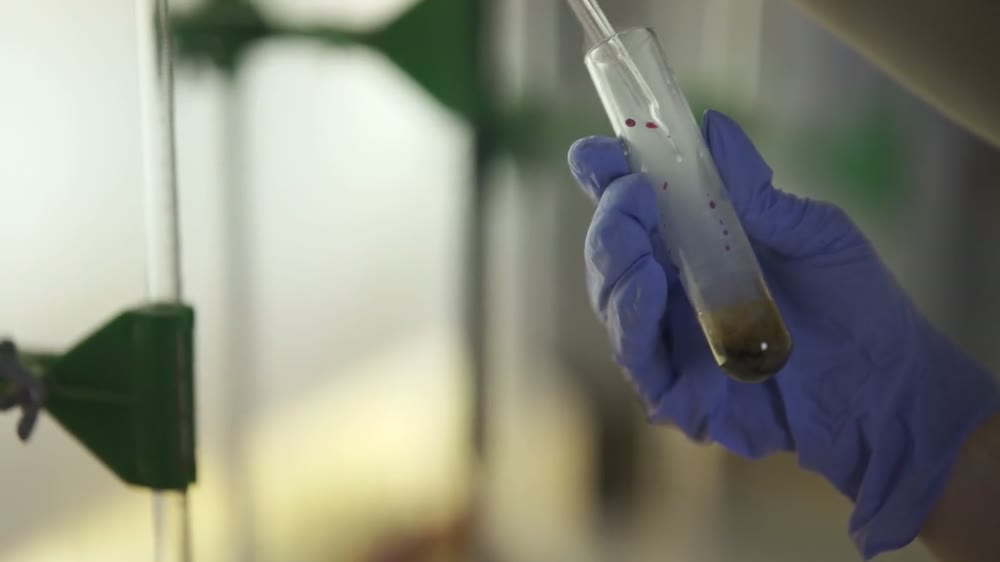
Workflow overview. Detailed methods, review stages and deliverables follow the agreed project scope.
From scope to delivery
Review the processes generating each stream, expected composition, variability and existing handling arrangements.
Evaluate process knowledge, safety data and laboratory results and identify additional characterisation needs.
Document the assessment basis and implications for segregation, storage and handling within the agreed scope.
Assess potential treatment, recovery or disposal pathways and record the acceptance information that providers require.
What you receive
Deliverables and the level of detail are agreed for your assignment.
Final route selection depends on current legal requirements and the receiving facility acceptance; this service does not include transport or disposal.
Tools & methods
The methods and specialist software are selected around the question, available information and agreed scope. Assumptions and limitations remain part of the technical record.
Build material balances, compare scenarios and track waste indicators.
Support facility layouts, catchment mapping and coordinated drawings.
Getting started
We will review the available evidence and define the work needed to address your project question.
Discuss your projectContinue exploring Waste & Circularity