Excel / Power BI
Build material balances, compare scenarios and track waste indicators.
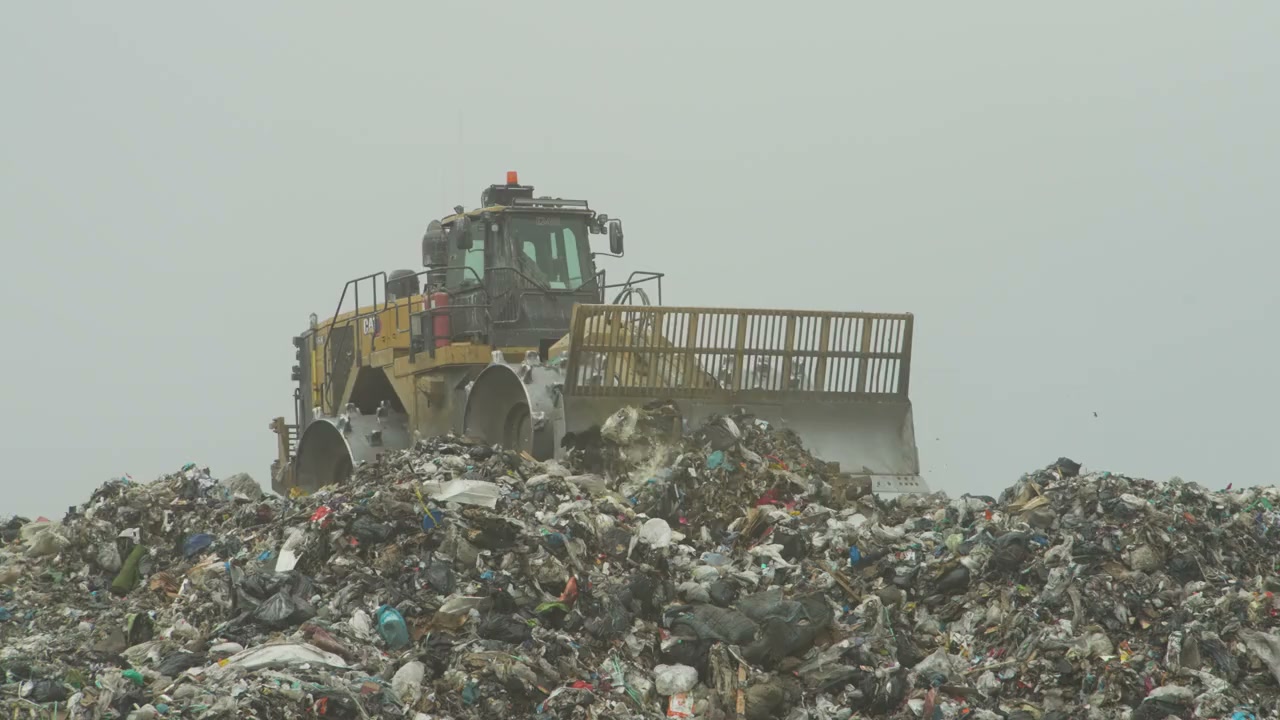
Waste & Circularity
Plan the transition from active disposal to managed aftercare.
Explore our approachWaste & Circularity
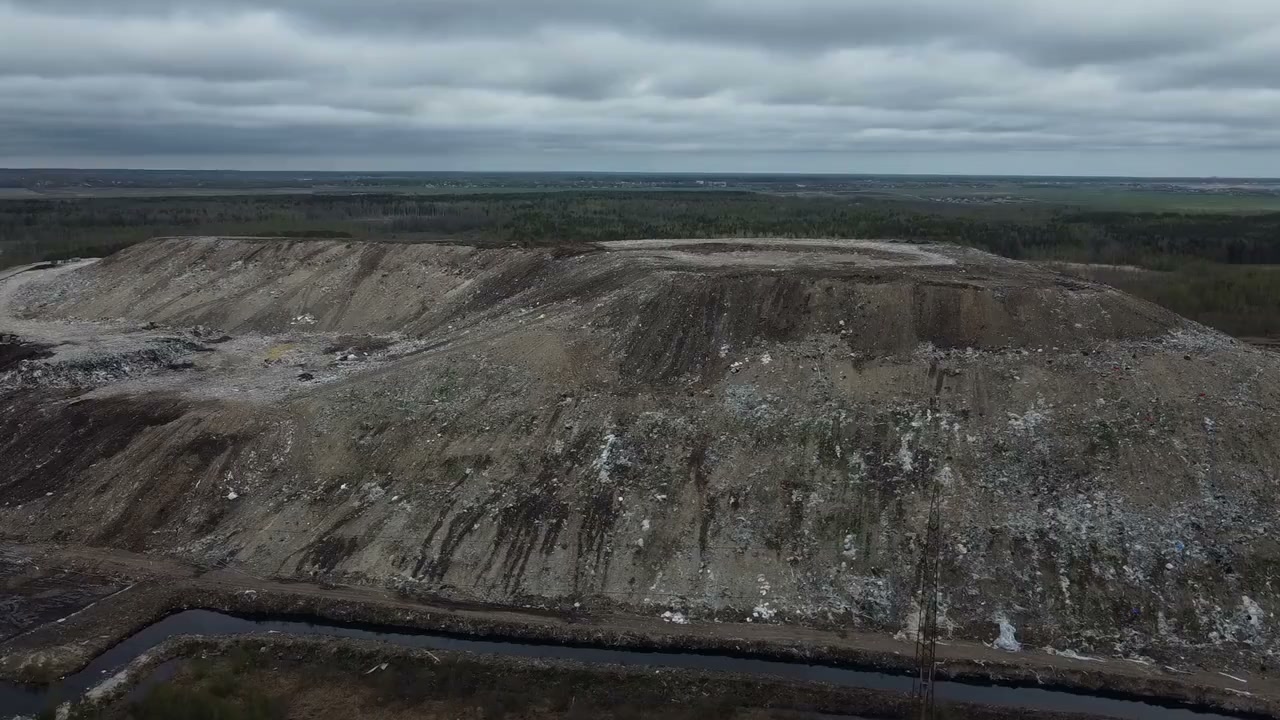
Plan the transition from active disposal to managed aftercare. Assess site condition and closure objectives, compare capping and drainage options and define monitoring and maintenance requirements. Closure planning considers settlement, water movement, gas and the intended future use together. The programme identifies residual risks and the arrangements needed after disposal stops, helping owners plan phased works, monitoring responsibilities and maintenance rather than treating the final cover as the end of the project.
Assess site condition and closure objectives, compare capping and drainage options and define monitoring and maintenance requirements.
Service in practice
Plan the transition from active disposal to managed aftercare.
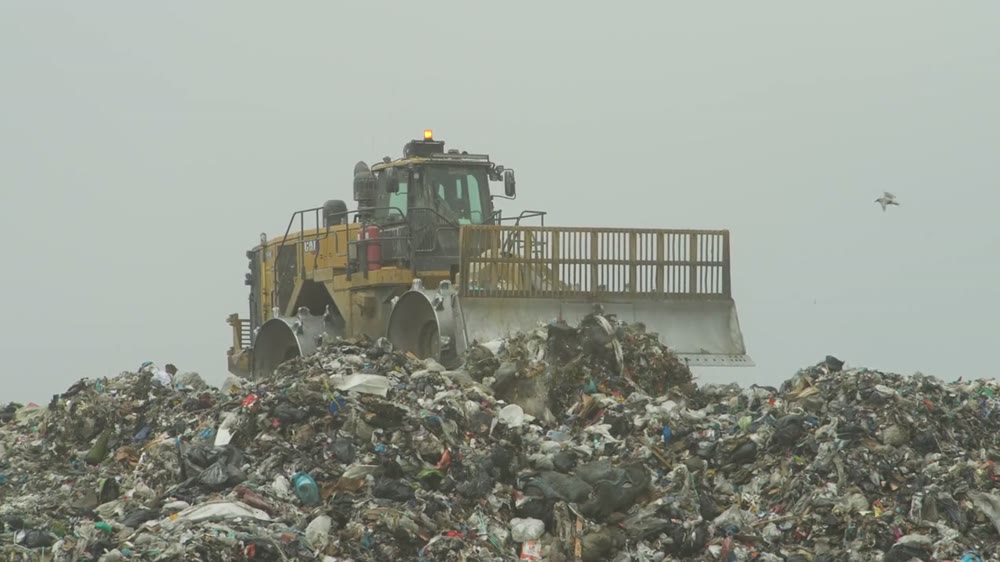
Workflow overview. Detailed methods, review stages and deliverables follow the agreed project scope.
From scope to delivery
Examine waste records, filling levels, settlement, gas, leachate and existing environmental monitoring.
Agree the proposed landform, future use and performance requirements for containment and environmental management.
Compare capping, drainage, vegetation and access options with their stability and maintenance implications.
Set out monitoring, inspection and maintenance activities, responsibilities and triggers for intervention.
What you receive
Deliverables and the level of detail are agreed for your assignment.
Aftercare duration and release from obligations depend on site performance and the applicable review process, not a fixed design assumption.
Tools & methods
The methods and specialist software are selected around the question, available information and agreed scope. Assumptions and limitations remain part of the technical record.
Build material balances, compare scenarios and track waste indicators.
Assess landfill slope stability and soil–structure interaction.
Support facility layouts, catchment mapping and coordinated drawings.
Getting started
We will review the available evidence and define the work needed to address your project question.
Discuss your projectContinue exploring Waste & Circularity