Ambient monitoring
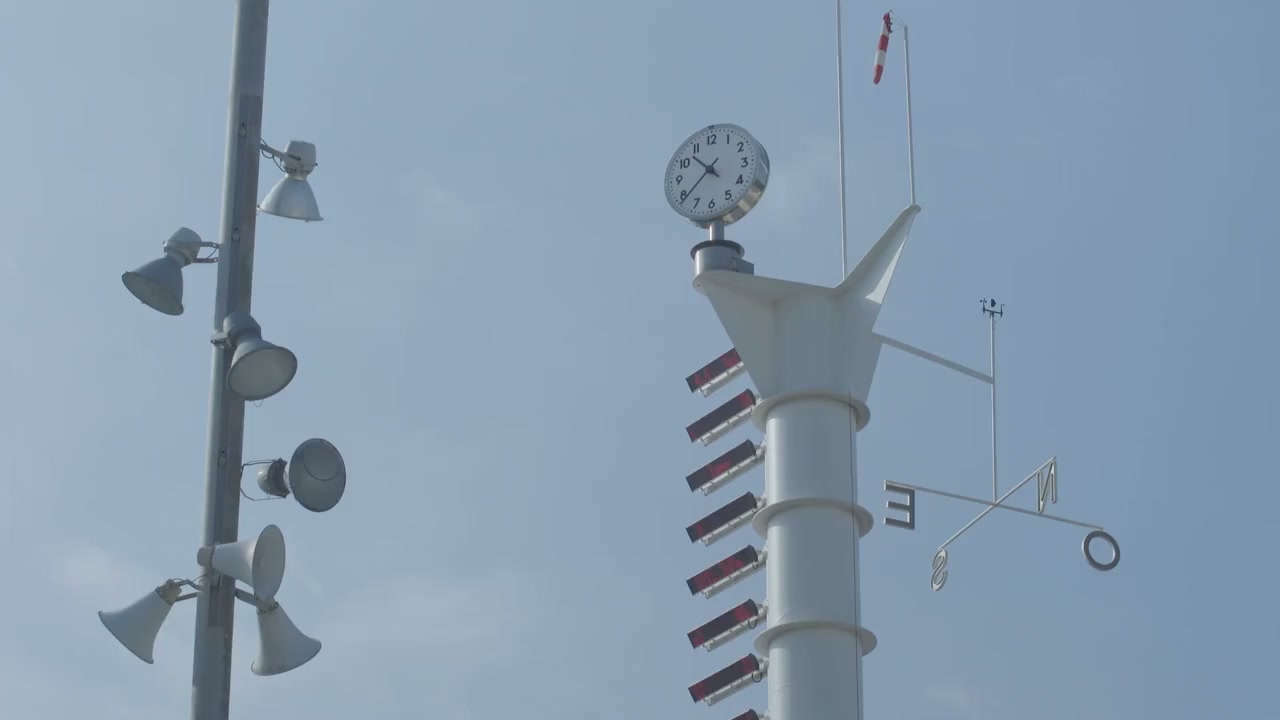
Select particulate monitors, gaseous analysers or passive samplers for the pollutants, averaging periods and receptors in the monitoring plan. Record meteorological conditions and instrument checks.

Environmental Consulting
Build evidence on emissions and exposure at the locations that matter.
Explore our approachEnvironmental Consulting
Build evidence on emissions and exposure at the locations that matter. Define monitoring objectives, select representative locations, coordinate calibrated instruments and laboratory inputs, and interpret the results. Monitoring is selected to answer a defined question, such as baseline conditions, source performance or the effect of an activity on nearby receptors. The report explains sampling conditions, data completeness and interpretation so results can support proportionate operational decisions.
Define monitoring objectives, select representative locations, coordinate calibrated instruments and laboratory inputs, and interpret the results.
Where this service fits
This is the specialist measurement service for the agreed ambient, indoor-air or source-emissions scope. Dispersion & Odour Assessment uses source and meteorological inputs to predict receptor effects. A wider monitoring programme can coordinate these measurements with other disciplines and reporting deadlines.
Service in practice
Build evidence on emissions and exposure at the locations that matter.
Workflow overview. Detailed methods, review stages and deliverables follow the agreed project scope.
From scope to delivery
Agree pollutants, source types, receptor locations and the intended use of the results.
Select representative locations and periods, reviewing instrument suitability, access, calibration and laboratory requirements.
Record measurements alongside operating activity, meteorology and quality-control information relevant to interpretation.
Review data completeness and trends, compare results with the agreed assessment basis and identify follow-up actions.
What you receive
Deliverables and the level of detail are agreed for your assignment.
Ambient monitoring and stack testing use different methods and access arrangements; each must be specified in the monitoring scope.
Methods, instruments & outputs
Methods and instrument classes are selected to the project conditions, data needs and agreed delivery scope.
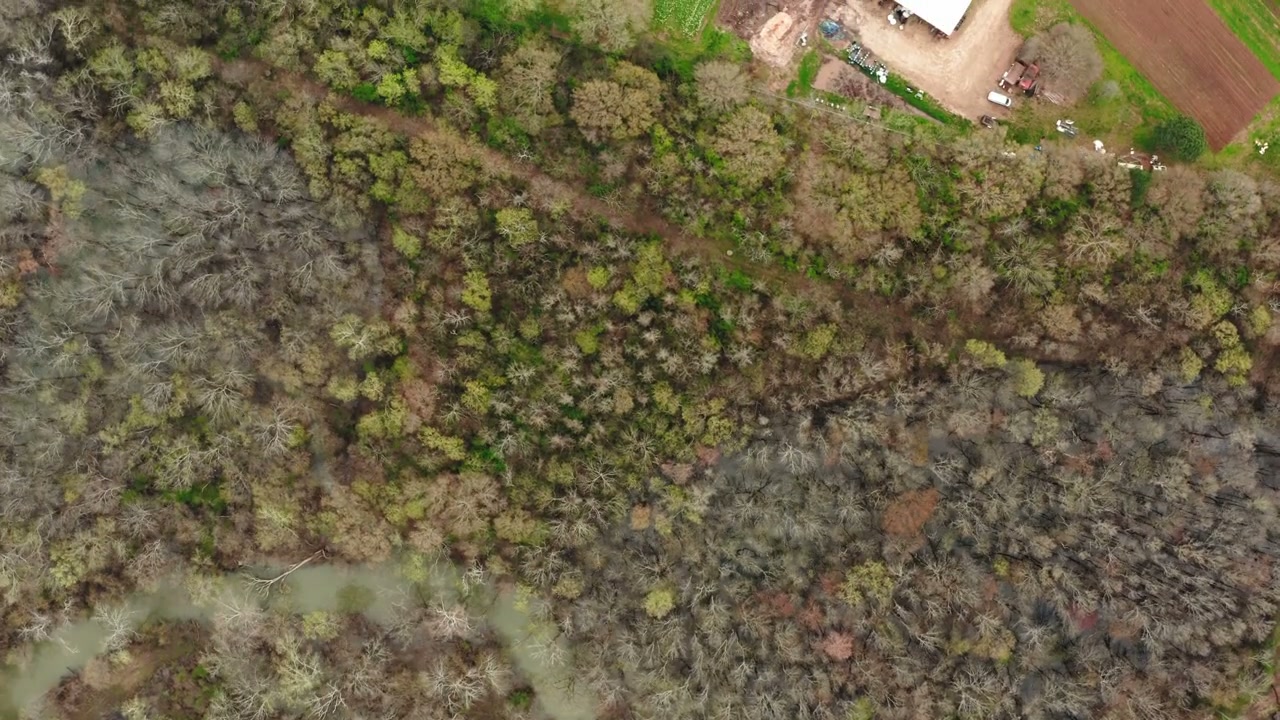
Select particulate monitors, gaseous analysers or passive samplers for the pollutants, averaging periods and receptors in the monitoring plan. Record meteorological conditions and instrument checks.
Plan room-level measurements for the relevant pollutants, occupancy and ventilation conditions. Include temperature, humidity, CO₂, CO, particulates or VOCs as the brief requires.
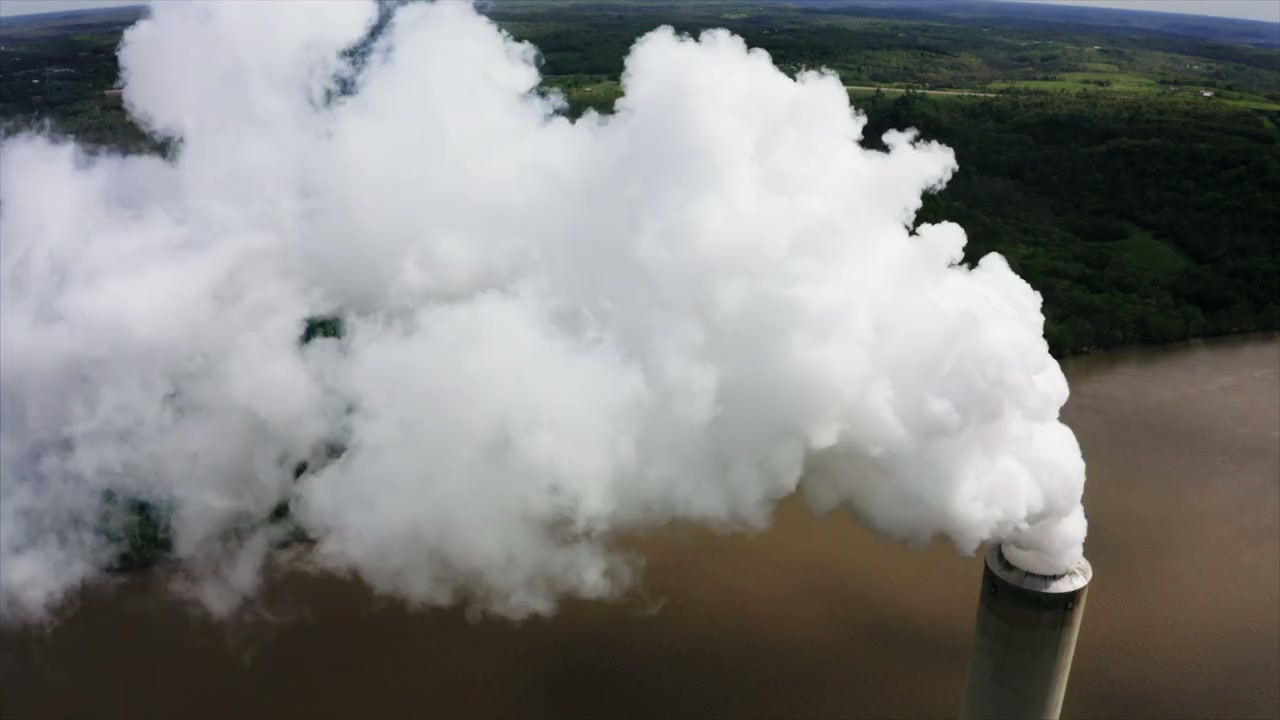
Coordinate a suitably qualified stack-testing team. Match sampling ports, process load, isokinetic particulate methods and gas analysis to the applicable source requirements.
Deliver station and source plans, calibration records, validated results, method limitations, criteria comparisons and corrective-action recommendations.
Field acquisition, specialist equipment and laboratory analysis are identified in the proposal, including work undertaken by qualified delivery partners. The method statement records equipment, calibration, applicable methods and quality checks.
Tools & methods
The methods and specialist software are selected around the question, available information and agreed scope. Assumptions and limitations remain part of the technical record.
Map emission sources, monitoring stations and sensitive receptors; assess spatial coverage and present quality-checked monitoring results.
Connect permit conditions, results, inspections and corrective actions.
Getting started
We will review the available evidence and define the work needed to address your project question.
Discuss your projectContinue exploring Environmental Consulting