ArcGIS / QGIS
Map receptors, survey stations, constraints and environmental findings.


Environmental Consulting
Maintain visibility of environmental performance throughout delivery.
Explore our approachEnvironmental Consulting
Coordinate the monitoring programme and turn specialist results into recurring environmental reports. ESAC maintains the monitoring matrix, sampling and reporting timetable, data checks, trends and action register. Air, noise, soil and water specialists provide the technical measurements and assessments under their defined scopes. The programme brings those inputs together for the facility or project. For applicable Abu Dhabi facilities, the scope can include EAD self-monitoring and environmental data reporting support, with requirements checked against the current permit and programme.
Connect monitoring results, permit commitments, inspections and corrective actions in a consistent reporting cycle.
Where this service fits
This service owns the monitoring matrix, specialist coordination, data checks, consolidated reporting and action tracking. Air, noise, soil and water specialists deliver the relevant technical measurements and assessments. Management plans set operational controls; audits provide a separate review against agreed criteria.
Service in practice
Maintain visibility of environmental performance throughout delivery.

Workflow overview. Detailed methods, review stages and deliverables follow the agreed project scope.
From scope to delivery
Identify parameters, frequencies, locations and reporting deadlines from the agreed permits, plans and client requirements.
Organise monitoring results, inspection records and incidents using consistent identifiers and data-quality checks.
Review performance over time and highlight exceedances, unusual changes, missing data and actions requiring attention.
Prepare the agreed reports and dashboard views, assign actions and track evidence of completion.
What you receive
Deliverables and the level of detail are agreed for your assignment.
The monitoring matrix defines parameters, locations, methods, reporting limits, frequency, responsibilities and submission dates. Laboratory and specialist field services are identified in the agreed scope.
Programme inputs
Select the inputs needed for the permit, site and reporting period. Specialist service pages explain the technical assessments; this programme coordinates their evidence, reporting dates and follow-up actions.
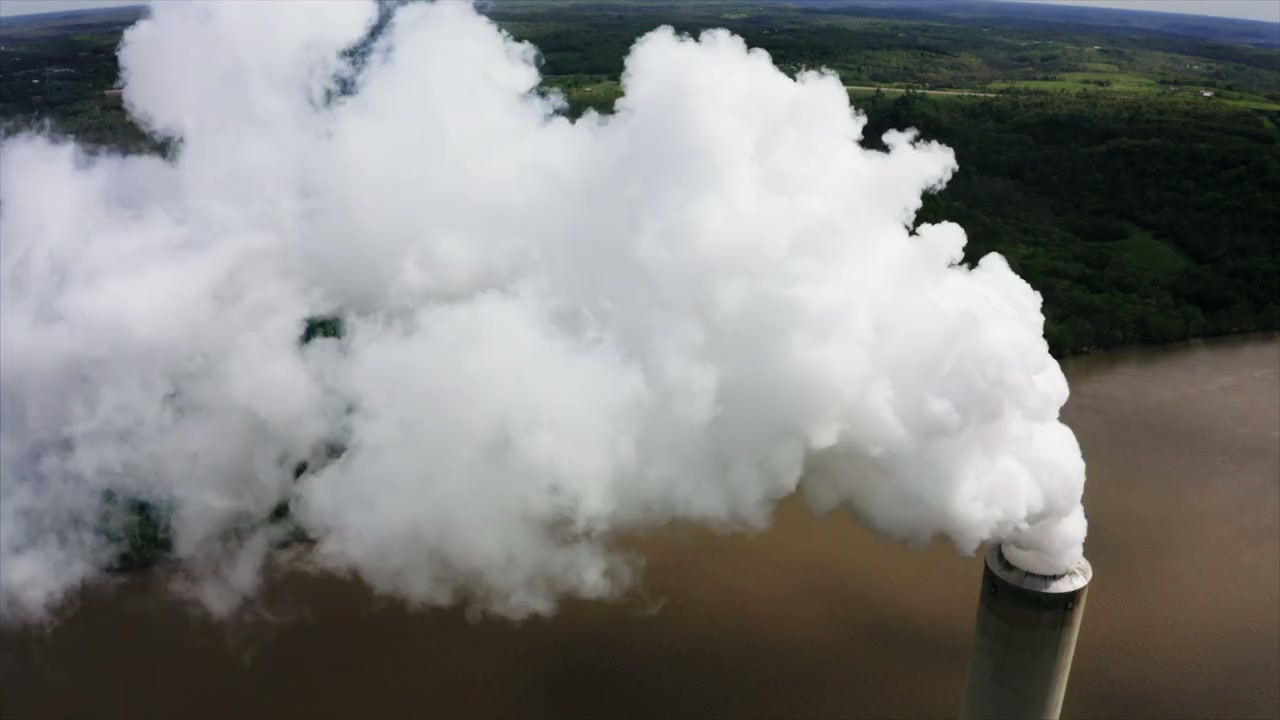
Evidence to coordinate: PM₂.₅, PM₁₀ and relevant gases selected for the activity and receptors.
Bring the specialist results and quality records into the monitoring register, compare reporting periods and track the agreed follow-up actions.
Evidence to coordinate: CO₂, CO, particulate matter, VOCs, temperature and humidity where relevant.
Bring the specialist results and quality records into the monitoring register, compare reporting periods and track the agreed follow-up actions.
Evidence to coordinate: Source-specific particulates and gases defined by the process and permit.
Bring the specialist results and quality records into the monitoring register, compare reporting periods and track the agreed follow-up actions.
Evidence to coordinate: Environmental noise, construction vibration and scoped occupational exposure.
Bring the specialist results and quality records into the monitoring register, compare reporting periods and track the agreed follow-up actions.
Evidence to coordinate: Surface water, groundwater, wastewater or marine water, with source-specific parameters.
Bring the specialist results and quality records into the monitoring register, compare reporting periods and track the agreed follow-up actions.
Evidence to coordinate: Contamination indicators selected from site history and the conceptual site model.
Bring the specialist results and quality records into the monitoring register, compare reporting periods and track the agreed follow-up actions.
Laboratory testing is coordinated with laboratories selected for the required methods and accreditation scope. Sampling, analysis, interpretation and submission responsibilities are agreed explicitly.
For applicable Abu Dhabi facilities, connect the monitoring plan to the required environmental data report, including relevant resource use, raw materials, emissions or discharges, incidents and corrective actions. Confirm the current permit, programme, submission period and required approved consultant before work begins.
View EAD’s reporting programmeTools & methods
The methods and specialist software are selected around the question, available information and agreed scope. Assumptions and limitations remain part of the technical record.
Map receptors, survey stations, constraints and environmental findings.
Connect permit conditions, results, inspections and corrective actions.
Getting started
We will review the available evidence and define the work needed to address your project question.
Discuss your projectContinue exploring Environmental Consulting