ArcGIS / QGIS
Prepare terrain, source and receptor layers for the specialist modelling workflow; map predicted concentration or odour contours and receptor effects.

Environmental Consulting
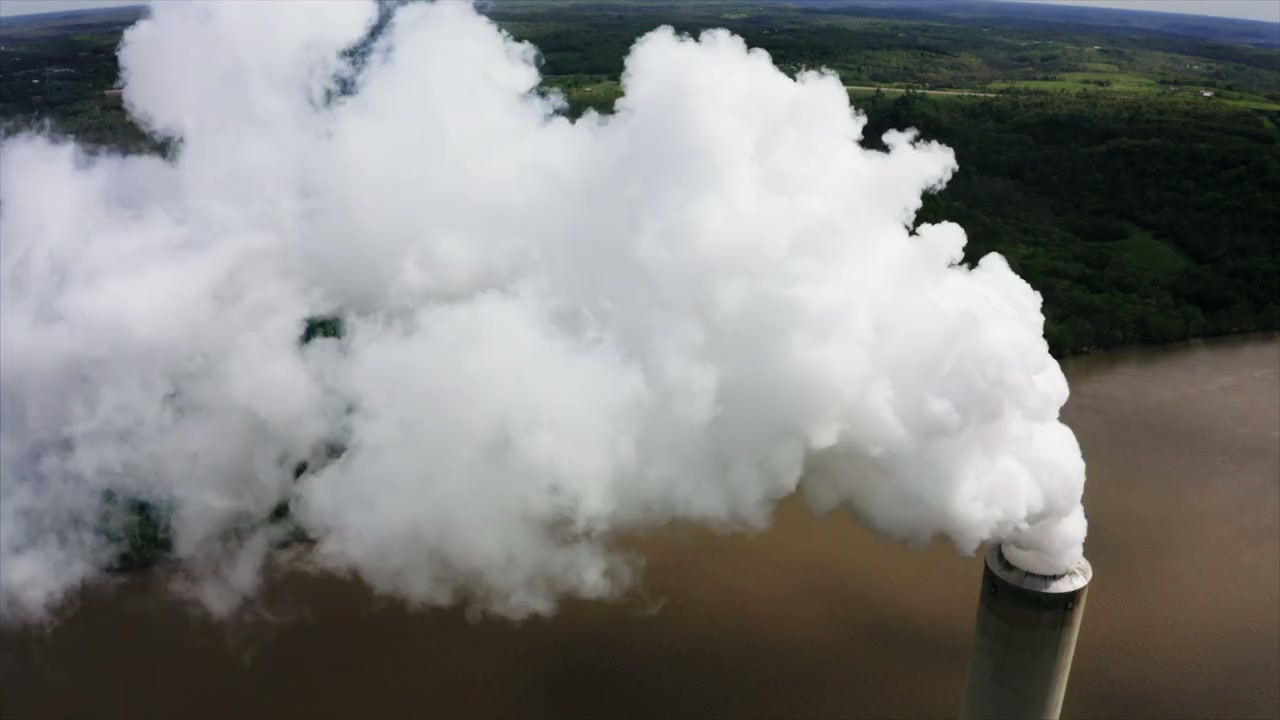
Understand how emissions may reach neighbouring receptors.
Explore our approachEnvironmental Consulting
Understand how emissions may reach neighbouring receptors. Develop an emissions inventory, review meteorology and source characteristics, and assess appropriate scenarios and mitigation options. The assessment connects source behaviour with the conditions that influence transport and exposure. Results are presented with their assumptions and sensitivity, helping the design or operations team compare controls and recognise where better emissions or meteorological data would improve confidence.
Develop an emissions inventory, review meteorology and source characteristics, and assess appropriate scenarios and mitigation options.
Where this service fits
This service evaluates how emissions disperse under the agreed scenarios and compares mitigation options. Measured air-quality and source-test data can supply or check its inputs. The monitoring service defines the instruments, sampling arrangements and measurement records.
Service in practice
Understand how emissions may reach neighbouring receptors.
Workflow overview. Detailed methods, review stages and deliverables follow the agreed project scope.
From scope to delivery
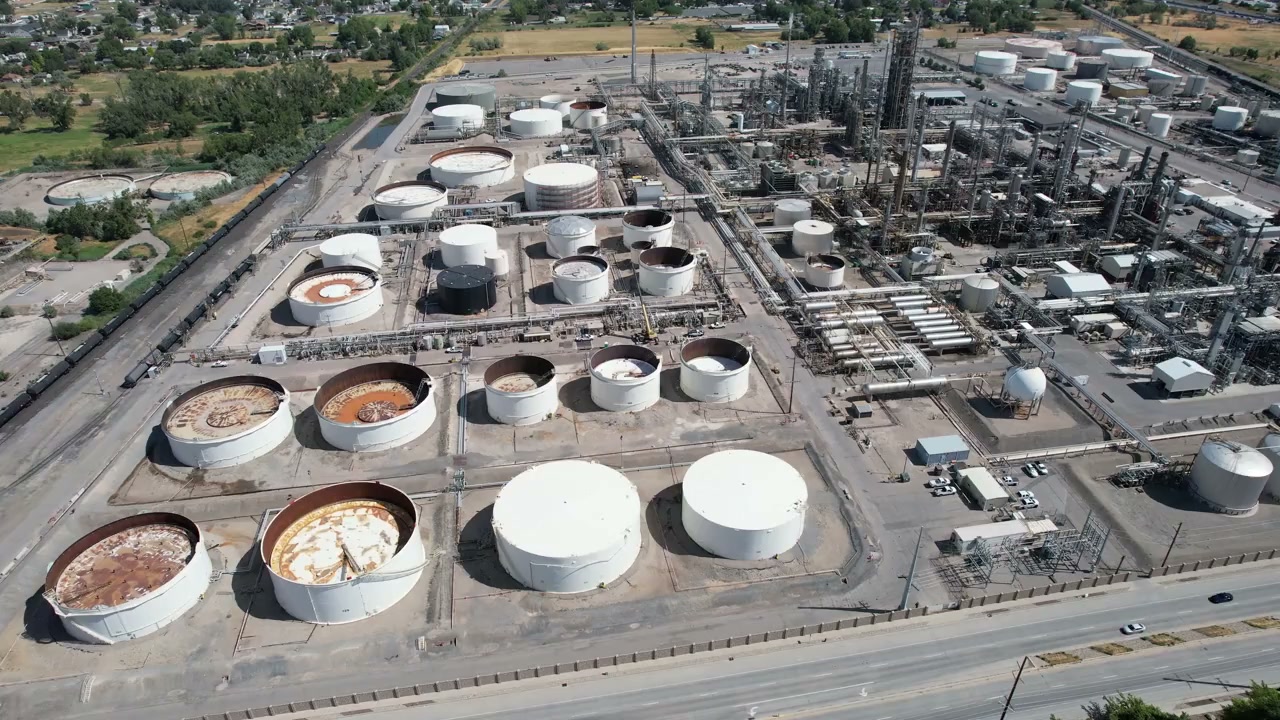
Compile release locations, emission rates, operating schedules and physical characteristics of relevant sources.
Review meteorology, terrain, buildings and sensitive receptors to define the study area and input requirements.
Apply the agreed assessment method to baseline, proposed and relevant operational cases, recording uncertainty and assumptions.
Explain receptor effects and evaluate changes to source control, release configuration or operating practice.
What you receive
Deliverables and the level of detail are agreed for your assignment.
The modelling method and platform are confirmed for the study; predicted conditions depend on the quality and representativeness of inputs.
Tools & methods
The methods and specialist software are selected around the question, available information and agreed scope. Assumptions and limitations remain part of the technical record.
Prepare terrain, source and receptor layers for the specialist modelling workflow; map predicted concentration or odour contours and receptor effects.
Getting started
We will review the available evidence and define the work needed to address your project question.
Discuss your projectContinue exploring Environmental Consulting