Structured material and SDS registers
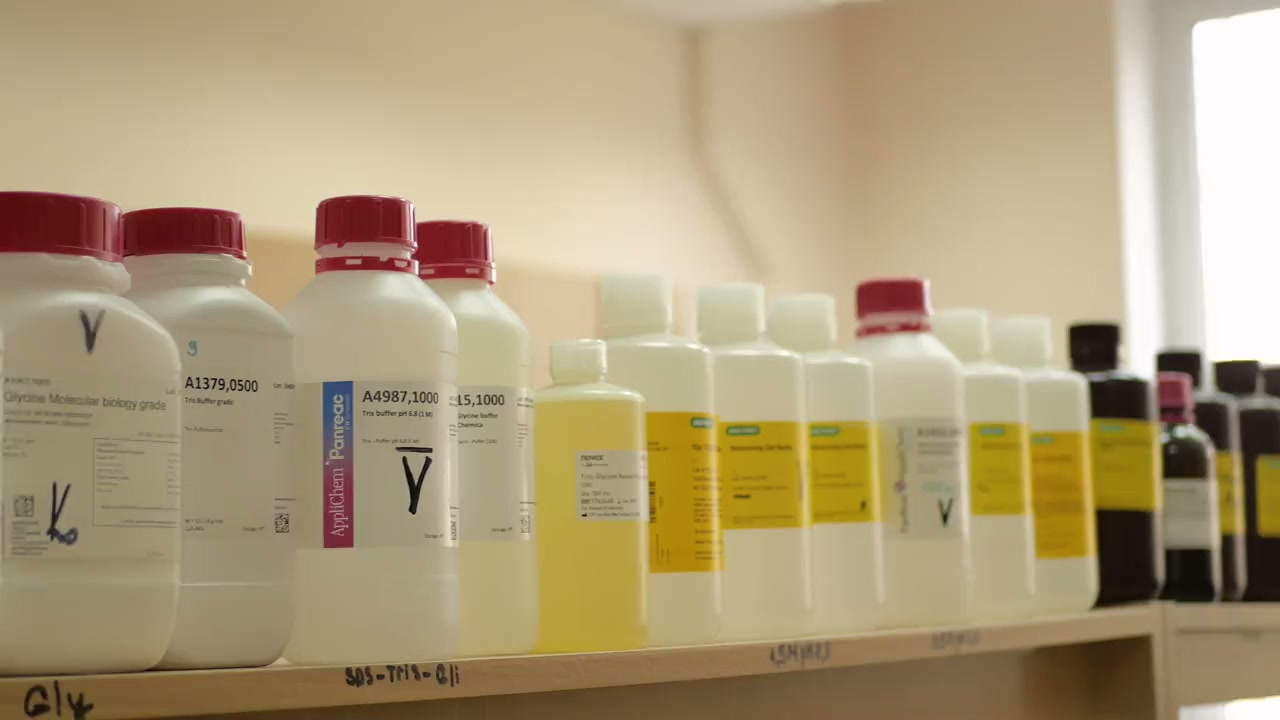
Connect material identity, quantities, locations and safety information.

Hazardous Materials
Create a reliable view of the materials present across a site or portfolio.
Explore our approachHazardous Materials
Create a reliable view of the materials present across a site or portfolio. Review purchasing and storage data, reconcile inventories with safety data sheets and structure the classification and location records. A reconciled register supports purchasing controls, storage decisions and emergency information without relying on disconnected lists. The work identifies missing descriptions, outdated safety information and uncertain locations, giving the organisation a practical basis for maintaining the inventory as materials and activities change.
Review purchasing and storage data, reconcile inventories with safety data sheets and structure the classification and location records.
Service in practice
Create a reliable view of the materials present across a site or portfolio.
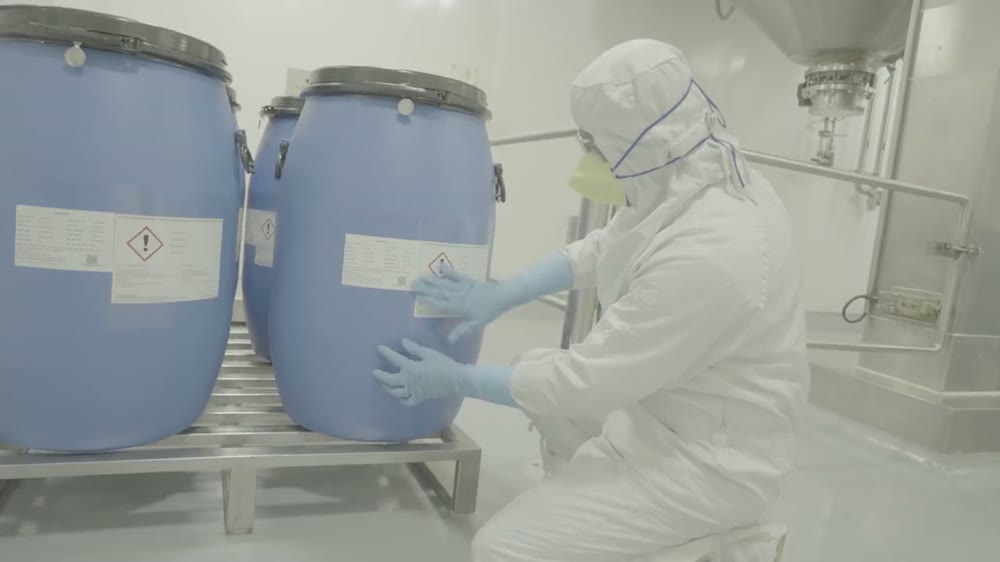
Workflow overview. Detailed methods, review stages and deliverables follow the agreed project scope.
From scope to delivery
Define the sites, departments, material types and information fields to be covered.
Compare purchasing, stock and site records with container labels and available safety data sheets.
Check the consistency of material identities, hazard information, quantities and location records.
Document gaps and assign update, review and change-control responsibilities for the continuing inventory.
What you receive
Deliverables and the level of detail are agreed for your assignment.
Unknown materials may require specialist identification or testing; an inventory review does not establish composition where evidence is absent.
Tools & methods
The methods and specialist software are selected around the question, available information and agreed scope. Assumptions and limitations remain part of the technical record.
Connect material identity, quantities, locations and safety information.
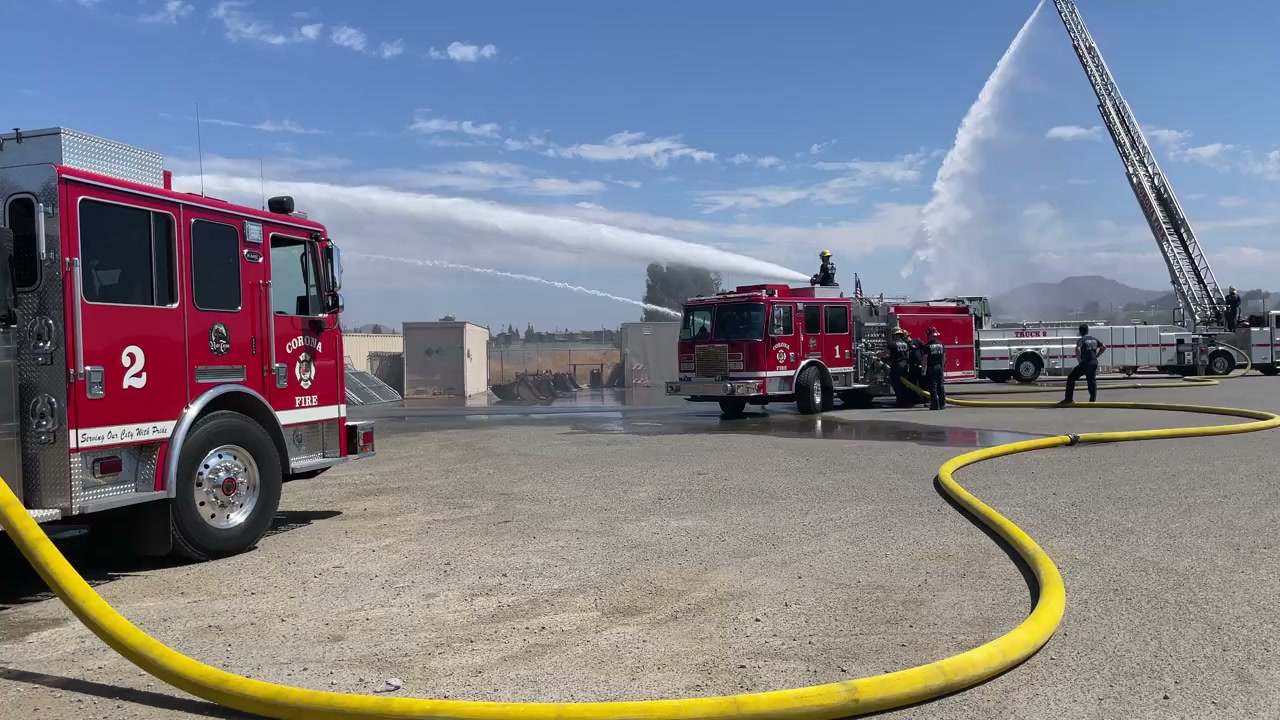
Map storage locations, sensitive interfaces and response information.
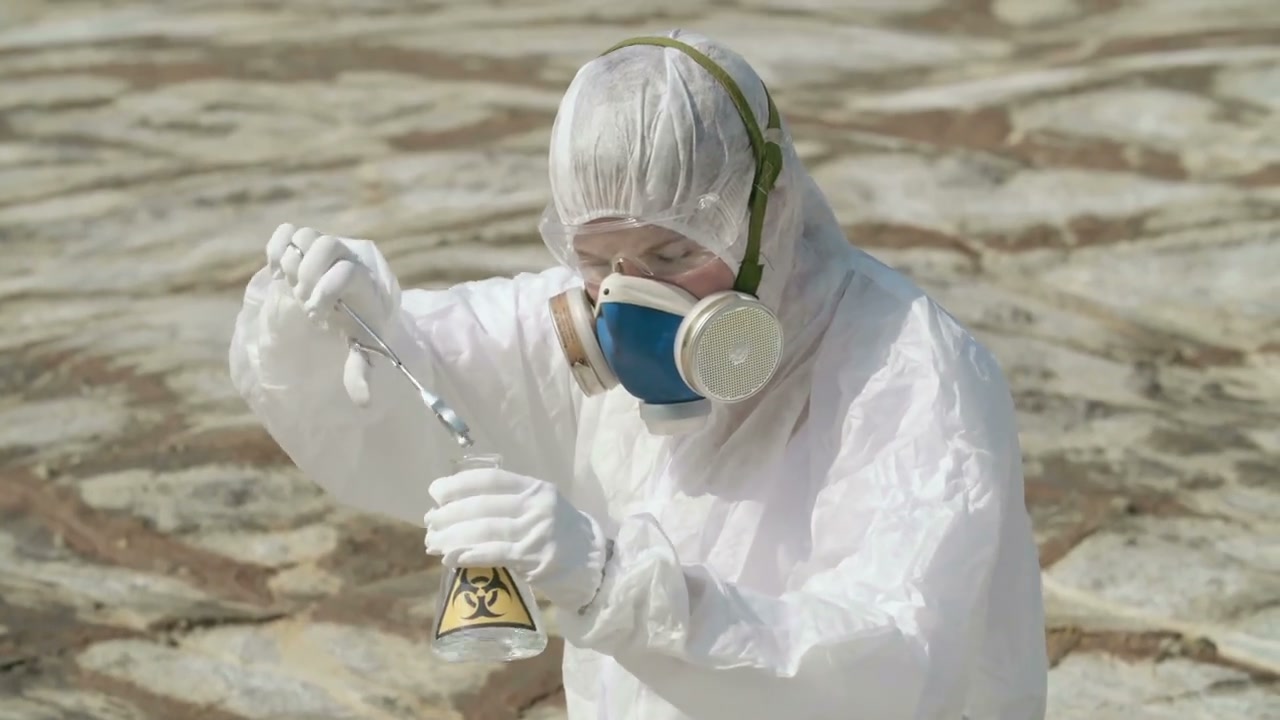
Track inspection findings, licence-related evidence and corrective actions.
Getting started
We will review the available evidence and define the work needed to address your project question.
Discuss your projectContinue exploring Hazardous Materials
Explore the proposed inventory, source-evidence and specialist review workflow.