Structured material and SDS registers
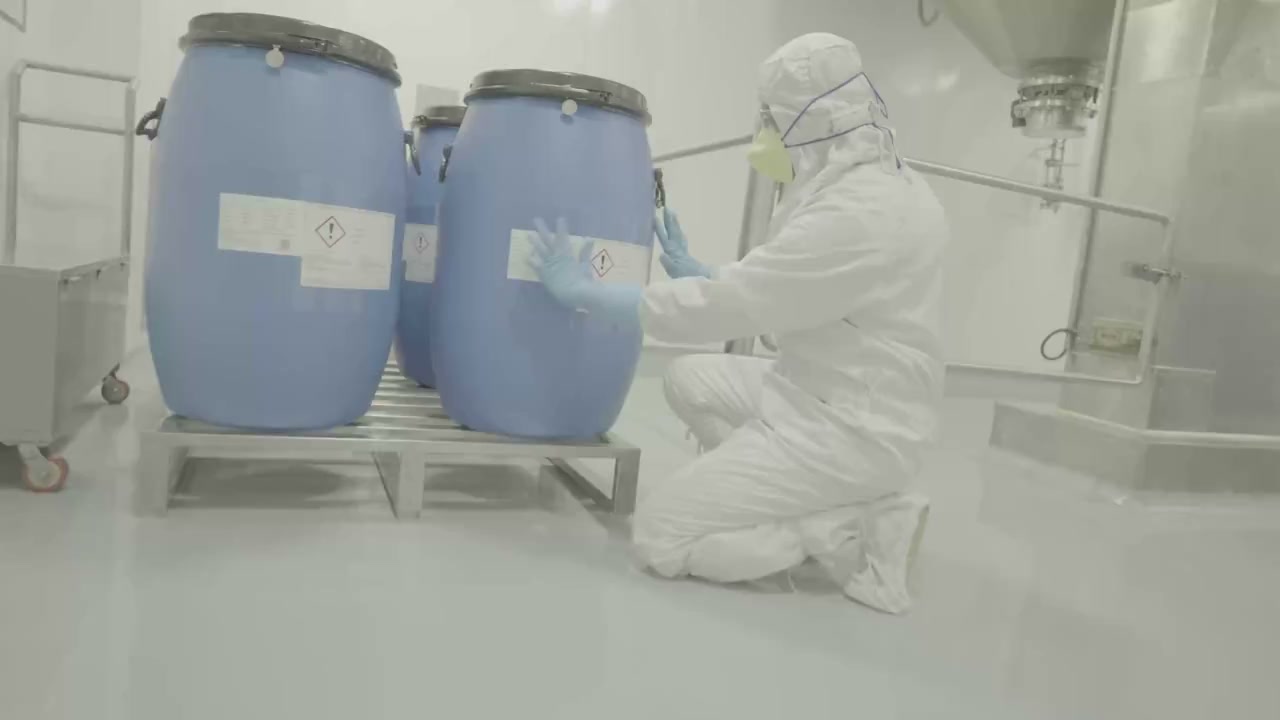
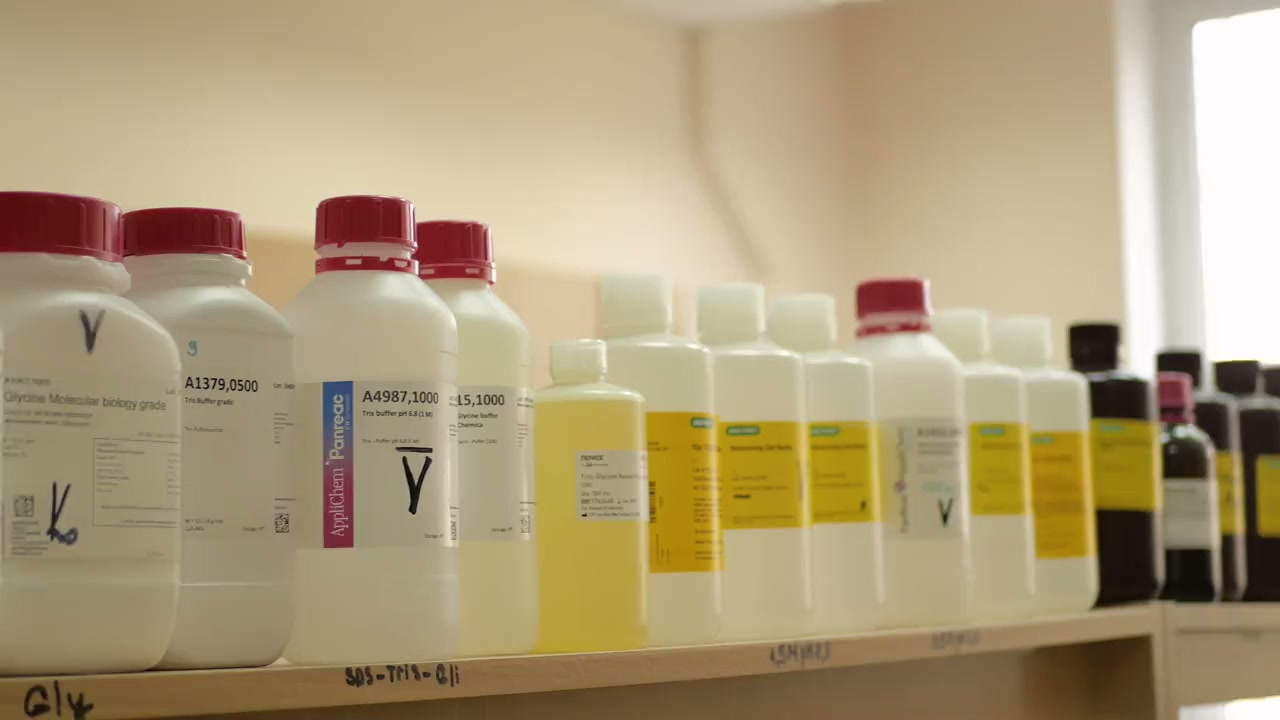
Connect material identity, quantities, locations and safety information.

Hazardous Materials
Define a controlled advisory and oversight scope for specialist material management.
Explore our approachHazardous Materials
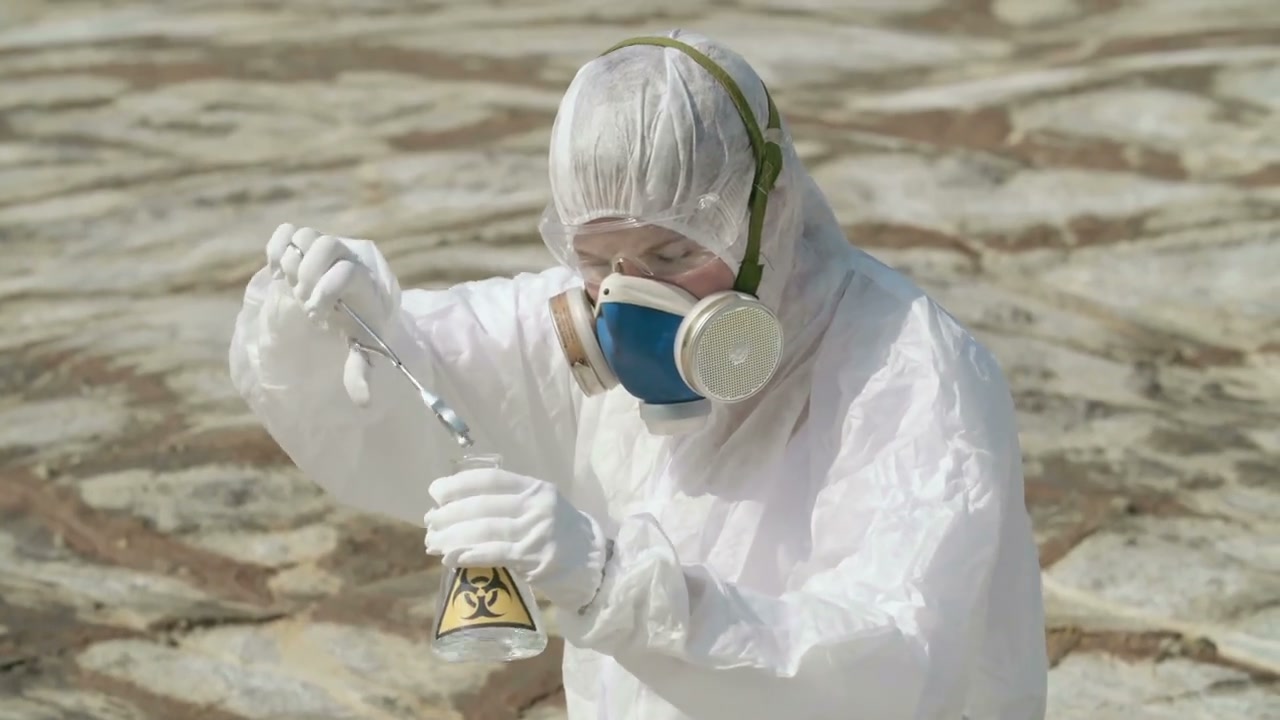
Define a controlled advisory and oversight scope for specialist material management. Review survey information and contractor plans, establish acceptance criteria and monitor agreed controls and documentation. Physical handling remains a separately defined specialist activity. Oversight links the contractor work package with the client requirements and evidence needed for closure. The focus is on planned controls, observed implementation and traceable records, helping the client identify departures from the agreed approach and organise follow-up with the responsible specialists.
Review survey information and contractor plans, establish acceptance criteria and monitor agreed controls and documentation. Physical handling remains a separately defined specialist activity.
Service in practice
Define a controlled advisory and oversight scope for specialist material management.
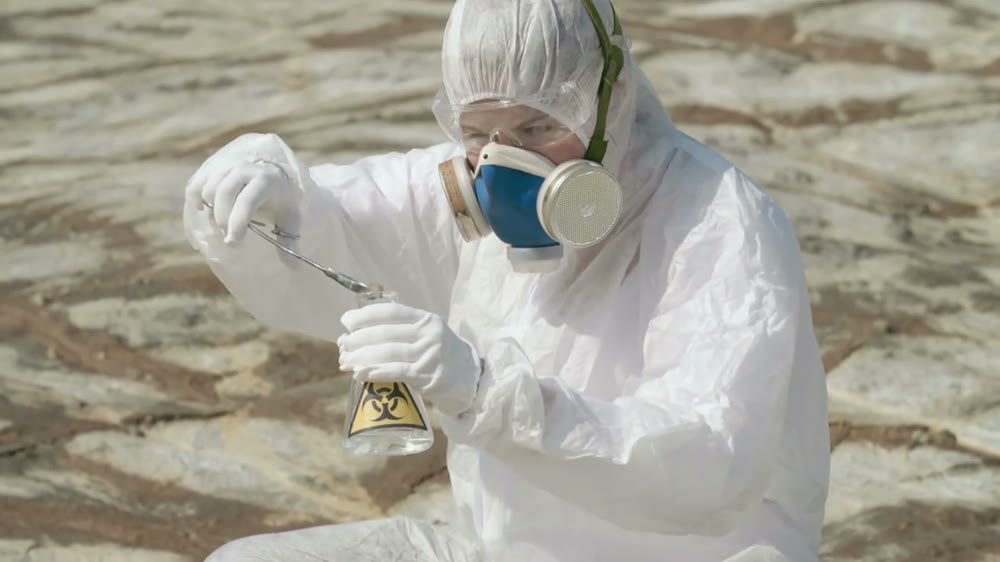
Workflow overview. Detailed methods, review stages and deliverables follow the agreed project scope.
From scope to delivery
Examine available surveys, inventories and assessment findings to define the material-management boundary.
Review proposed methods, competence evidence, controls and documentation against the agreed acceptance criteria.
Record implementation at defined stages and raise departures, missing evidence and actions requiring contractor response.
Check the agreed completion records and identify any residual restrictions, follow-up work or outstanding information.
What you receive
Deliverables and the level of detail are agreed for your assignment.
Physical removal, handling, transport and disposal remain specialist contractor activities; oversight does not transfer the contractor operational responsibilities.
Tools & methods
The methods and specialist software are selected around the question, available information and agreed scope. Assumptions and limitations remain part of the technical record.
Connect material identity, quantities, locations and safety information.
Map storage locations, sensitive interfaces and response information.
Track inspection findings, licence-related evidence and corrective actions.
Getting started
We will review the available evidence and define the work needed to address your project question.
Discuss your projectContinue exploring Hazardous Materials