Structured material and SDS registers
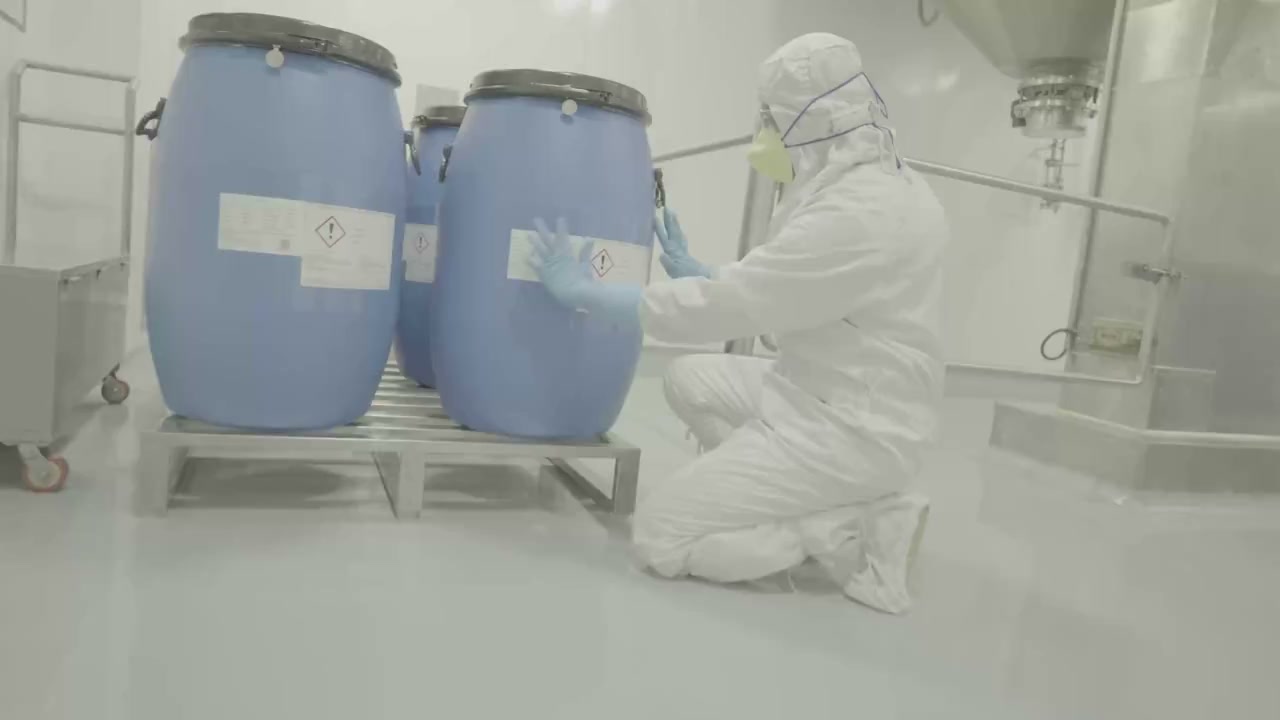
Connect material identity, quantities, locations and safety information.

Hazardous Materials
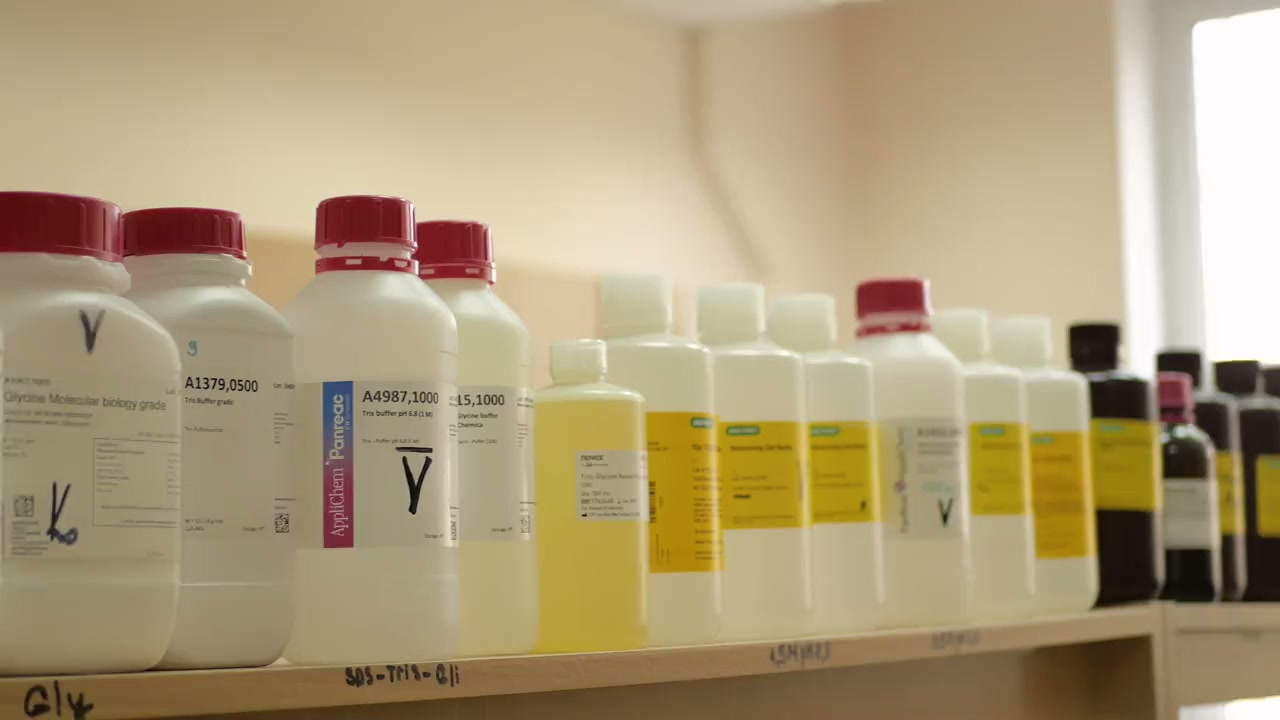
Identify weaknesses in storage, segregation and material-transfer arrangements.
Explore our approachHazardous Materials
Identify weaknesses in storage, segregation and material-transfer arrangements. Review quantities, container types, incompatibilities and site layouts, then develop prioritised engineering and procedural recommendations. The assessment follows materials from receipt through storage, use and transfer, considering both routine work and foreseeable loss of containment. Recommendations connect physical layout changes with operating procedures, helping teams prioritise improvements that address the actual materials, quantities and activities present at the facility.
Review quantities, container types, incompatibilities and site layouts, then develop prioritised engineering and procedural recommendations.
Service in practice
Identify weaknesses in storage, segregation and material-transfer arrangements.
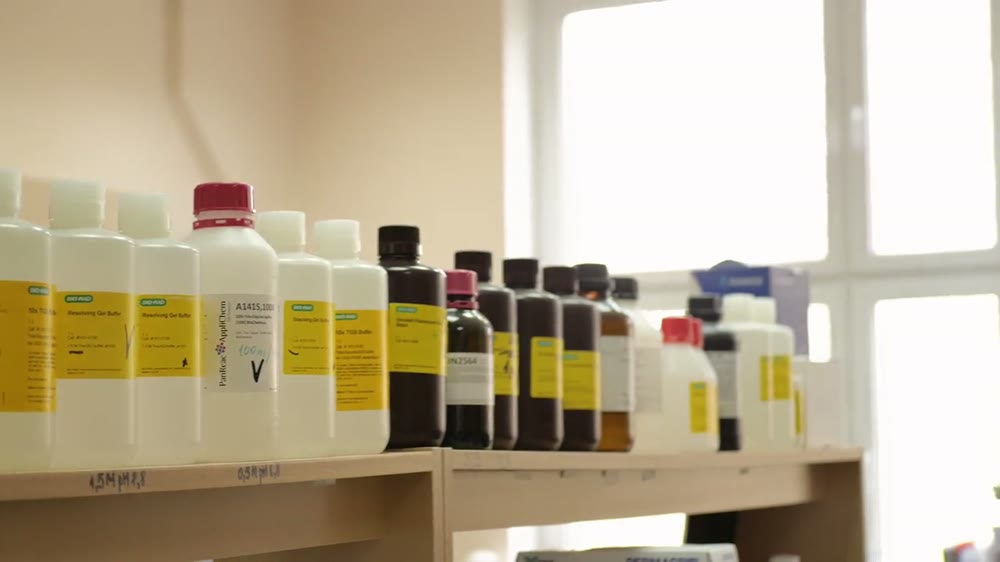
Workflow overview. Detailed methods, review stages and deliverables follow the agreed project scope.
From scope to delivery
Identify hazardous properties, quantities, packaging and the transfer activities associated with each storage area.
Review compatibility, separation, containment, access and the relationship with drains and sensitive areas.
Examine transfer methods, equipment interfaces and operating procedures for credible loss-of-containment situations.
Develop a compatibility matrix and a practical action plan with responsible owners and implementation dependencies.
What you receive
Deliverables and the level of detail are agreed for your assignment.
Detailed fire-system design, structural design and equipment certification are specialist activities outside a general storage review unless specifically included.
Tools & methods
The methods and specialist software are selected around the question, available information and agreed scope. Assumptions and limitations remain part of the technical record.
Connect material identity, quantities, locations and safety information.
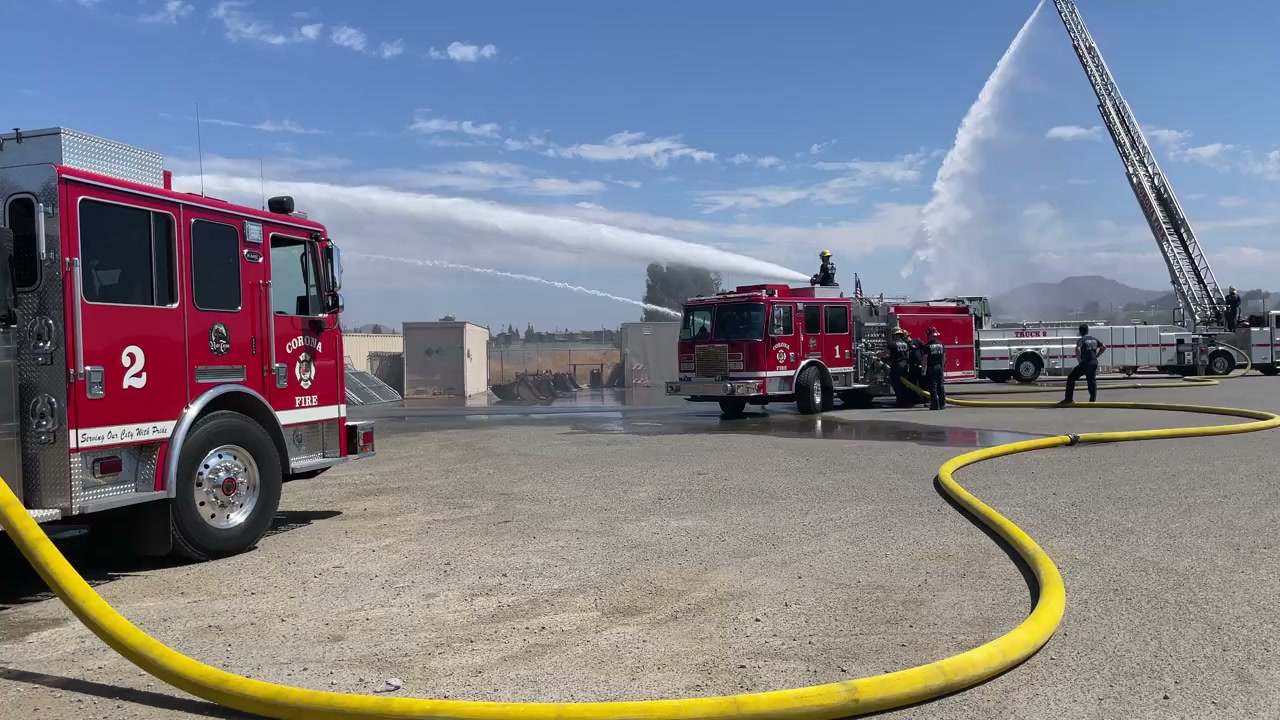
Map storage locations, sensitive interfaces and response information.
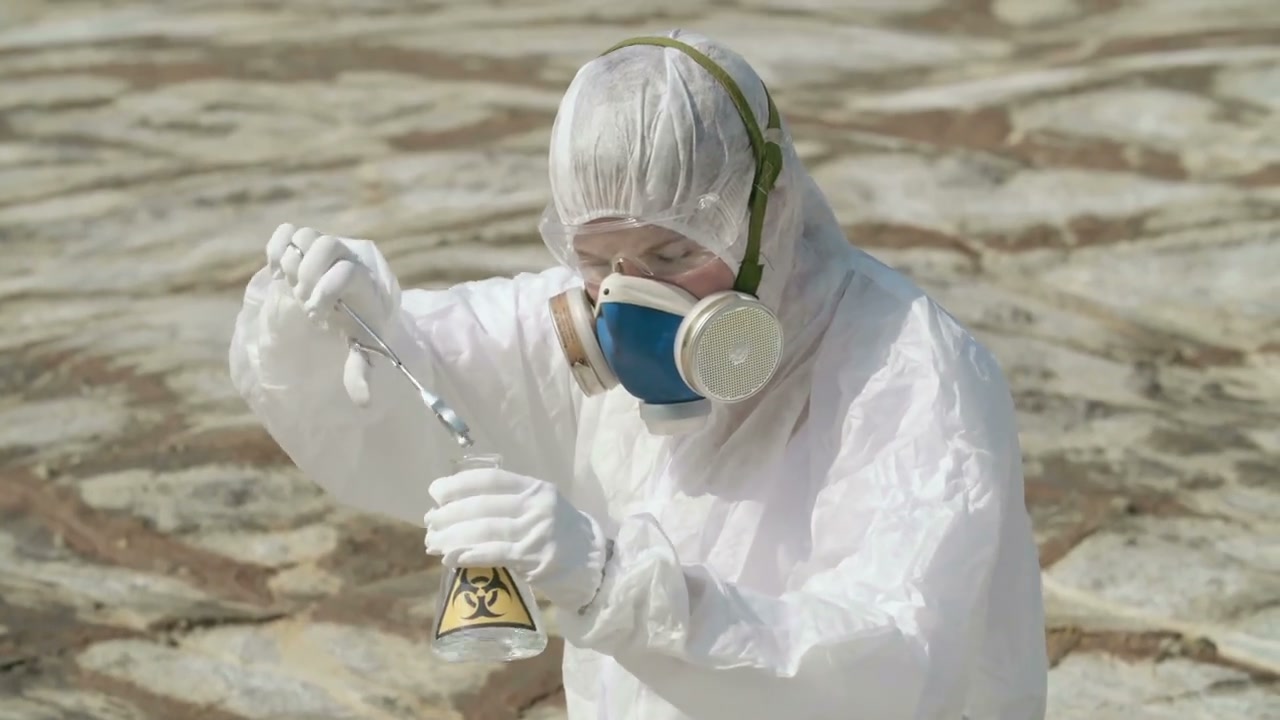
Track inspection findings, licence-related evidence and corrective actions.
Getting started
We will review the available evidence and define the work needed to address your project question.
Discuss your projectContinue exploring Hazardous Materials
Explore the proposed inventory, source-evidence and specialist review workflow.