Structured material and SDS registers
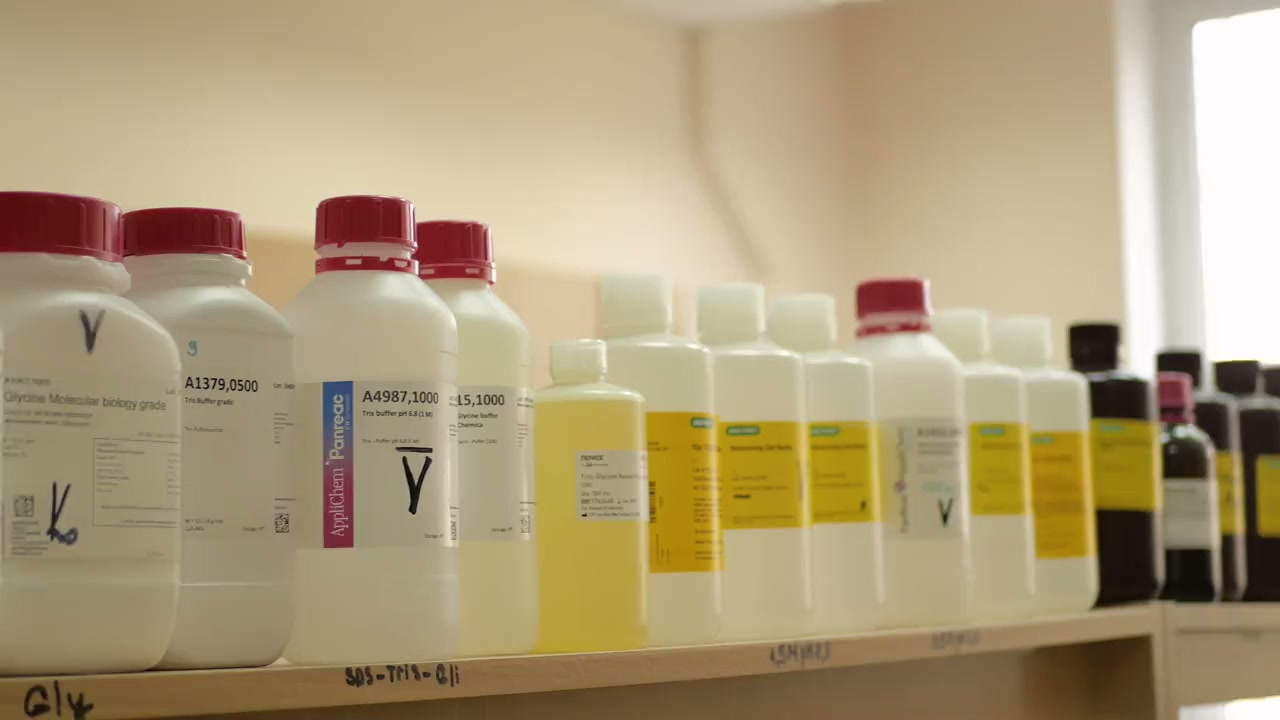
Connect material identity, quantities, locations and safety information.

Hazardous Materials
Understand credible release scenarios and the controls required to manage them.
Explore our approachHazardous Materials
Understand credible release scenarios and the controls required to manage them. Define hazards and receptors, assess pathways and existing safeguards and document additional controls appropriate to the agreed assessment scope. The assessment provides a clear record of why particular scenarios matter and how existing controls influence exposure. This supports focused decisions about prevention, detection and response, while identifying cases where missing information or complex behaviour requires a more detailed specialist study.
Define hazards and receptors, assess pathways and existing safeguards and document additional controls appropriate to the agreed assessment scope.
Service in practice
Understand credible release scenarios and the controls required to manage them.
Workflow overview. Detailed methods, review stages and deliverables follow the agreed project scope.
From scope to delivery
Define materials, activities, assessment boundaries and the risk-evaluation method to be used.
Review release causes, operating conditions, pathways and the people or environmental receptors potentially affected.
Consider preventive and mitigative controls and document assumptions affecting scenario likelihood or consequences.
Prioritise recommendations and identify information, specialist analysis or verification needed before closing significant gaps.
What you receive
Deliverables and the level of detail are agreed for your assignment.
Quantitative consequence modelling and process-safety studies require an agreed specialist scope and are not implied by a general risk assessment.
Tools & methods
The methods and specialist software are selected around the question, available information and agreed scope. Assumptions and limitations remain part of the technical record.
Connect material identity, quantities, locations and safety information.
Map storage locations, sensitive interfaces and response information.
Track inspection findings, licence-related evidence and corrective actions.
Getting started
We will review the available evidence and define the work needed to address your project question.
Discuss your projectContinue exploring Hazardous Materials