ArcGIS / QGIS
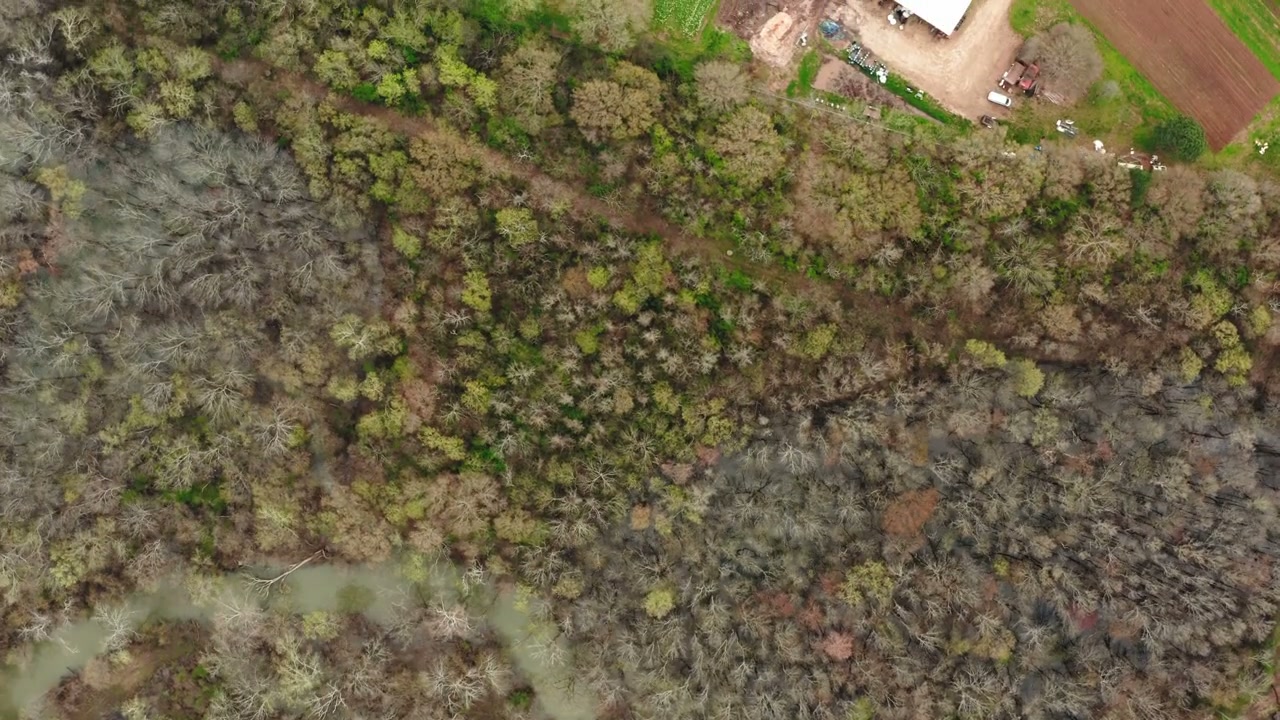
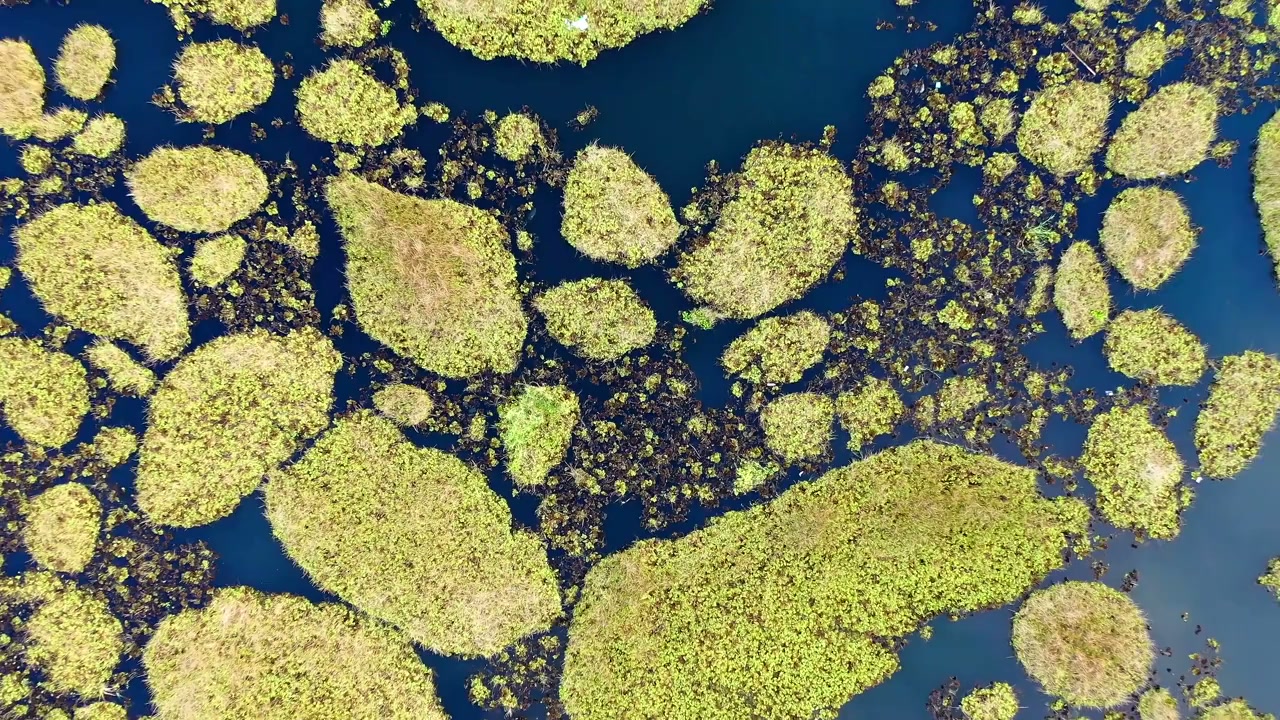
Map habitat types, species records and survey coverage; overlay project footprints with ecological sensitivities and prepare habitat and constraints maps.

Environmental Consulting
Identify habitats and ecological sensitivities before design decisions are fixed.
Explore our approachEnvironmental Consulting
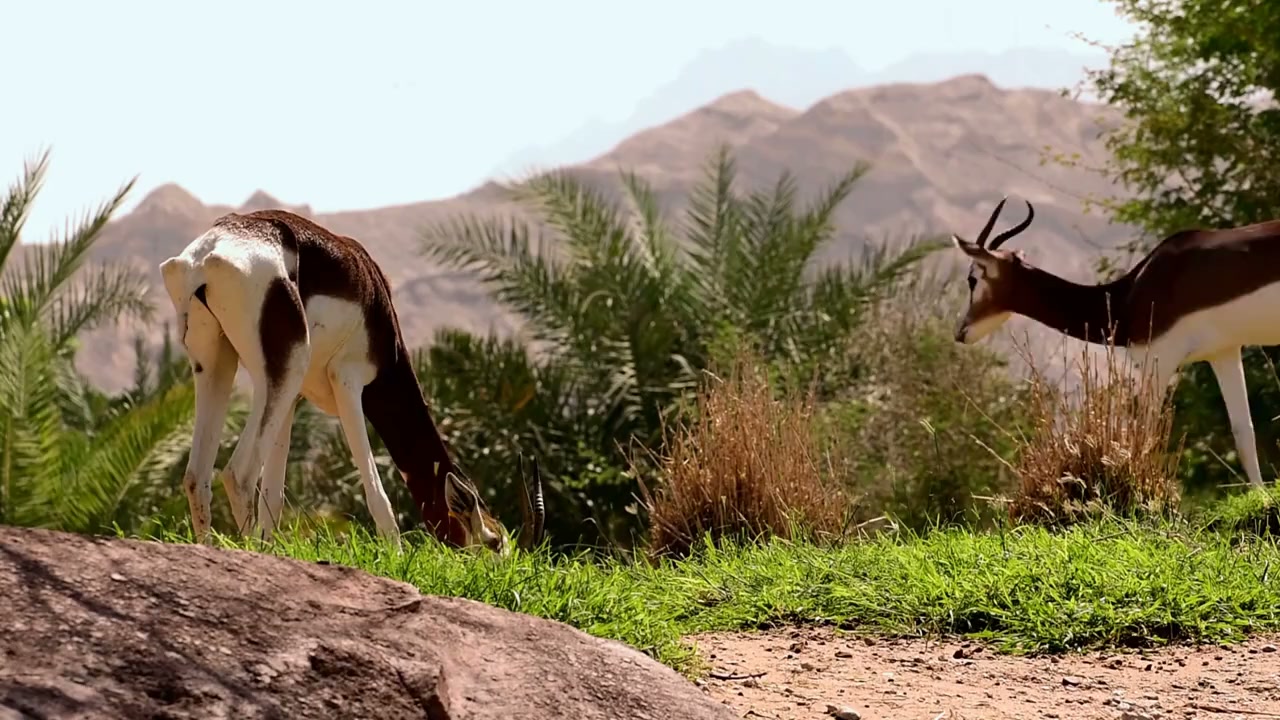
Identify habitats and ecological sensitivities before design decisions are fixed. Agree seasonal and site survey needs, map habitats and species records and develop avoidance and mitigation recommendations. Survey effort follows the habitats, species groups and decisions relevant to the development. Findings help the project team recognise ecological constraints early, adjust layouts where possible and identify appropriate protection measures, while recording seasonal, access and identification limits that affect interpretation.
Agree seasonal and site survey needs, map habitats and species records and develop avoidance and mitigation recommendations.
Where this service fits
Ecology surveys provide specialist habitat and species evidence for the wider baseline or impact assessment. They identify avoidance and protection needs. Habitat Restoration & Ecological Management develops the intervention, establishment, maintenance and recovery-monitoring programme.
Service in practice
Identify habitats and ecological sensitivities before design decisions are fixed.
Workflow overview. Detailed methods, review stages and deliverables follow the agreed project scope.
From scope to delivery
Examine existing records, habitat mapping, site history and the proposed footprint to define survey priorities.
Agree methods, timing and coverage for the habitats and species groups relevant to the assessment.
Map habitat condition and species evidence, documenting survey effort and constraints on detection.
Identify sensitivities and recommend avoidance, protection and any further ecological work required for project decisions.
What you receive
Deliverables and the level of detail are agreed for your assignment.
Absence of a species observation is not proof of absence; seasonal and species-specific follow-up may be required.
Tools & methods
The methods and specialist software are selected around the question, available information and agreed scope. Assumptions and limitations remain part of the technical record.
Map habitat types, species records and survey coverage; overlay project footprints with ecological sensitivities and prepare habitat and constraints maps.
Getting started
We will review the available evidence and define the work needed to address your project question.
Discuss your projectContinue exploring Environmental Consulting