Source-specific programmes
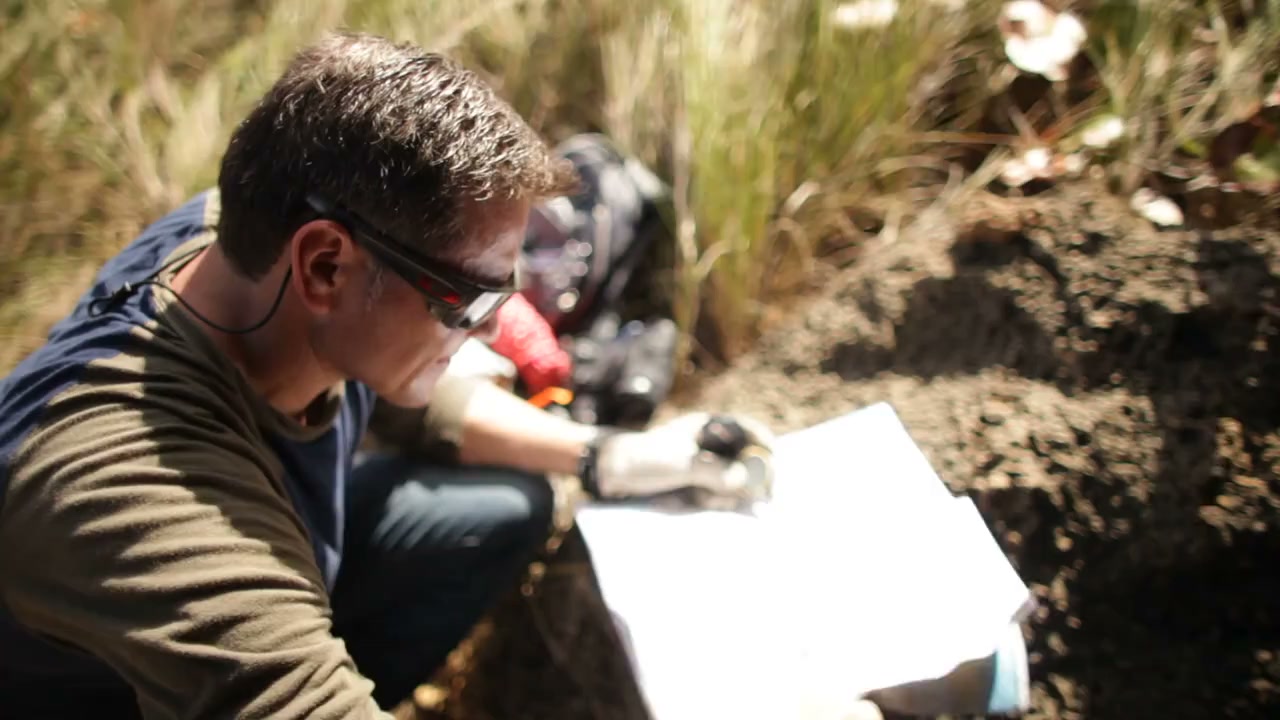
Distinguish surface water, groundwater, process wastewater and treated discharge. Select parameters, sampling locations and grab or composite methods for the relevant discharge or receptor.
Environmental Consulting
Understand water quality and the environmental implications of discharge.
Explore our approachEnvironmental Consulting
Understand water quality and the environmental implications of discharge. Review source and discharge data, plan sampling and assess treatment or management needs with the infrastructure team. The assessment links water chemistry and flow information with the sensitivity of receiving environments and the operating conditions that generate the discharge. Findings help teams select practical source controls, monitoring priorities or further treatment studies, with uncertainty and data gaps made explicit.
Review source and discharge data, plan sampling and assess treatment or management needs with the infrastructure team.
Where this service fits
The assessment interprets water quality, flows and receiving-environment sensitivities to identify discharge controls and further studies. Recurring sampling feeds the monitoring programme. Detailed treatment or network design is coordinated with the relevant engineering service.
Service in practice
Understand water quality and the environmental implications of discharge.
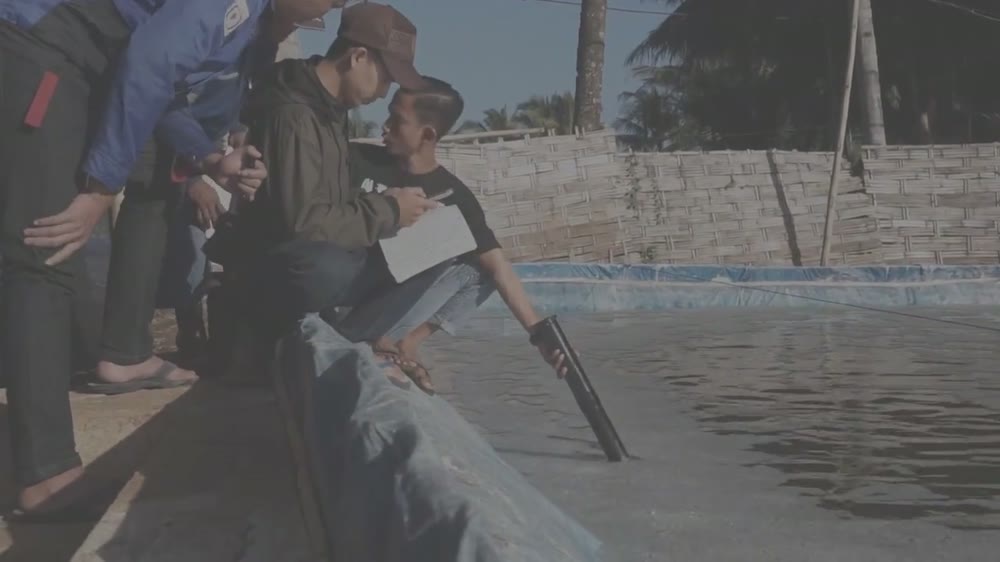
Workflow overview. Detailed methods, review stages and deliverables follow the agreed project scope.
From scope to delivery
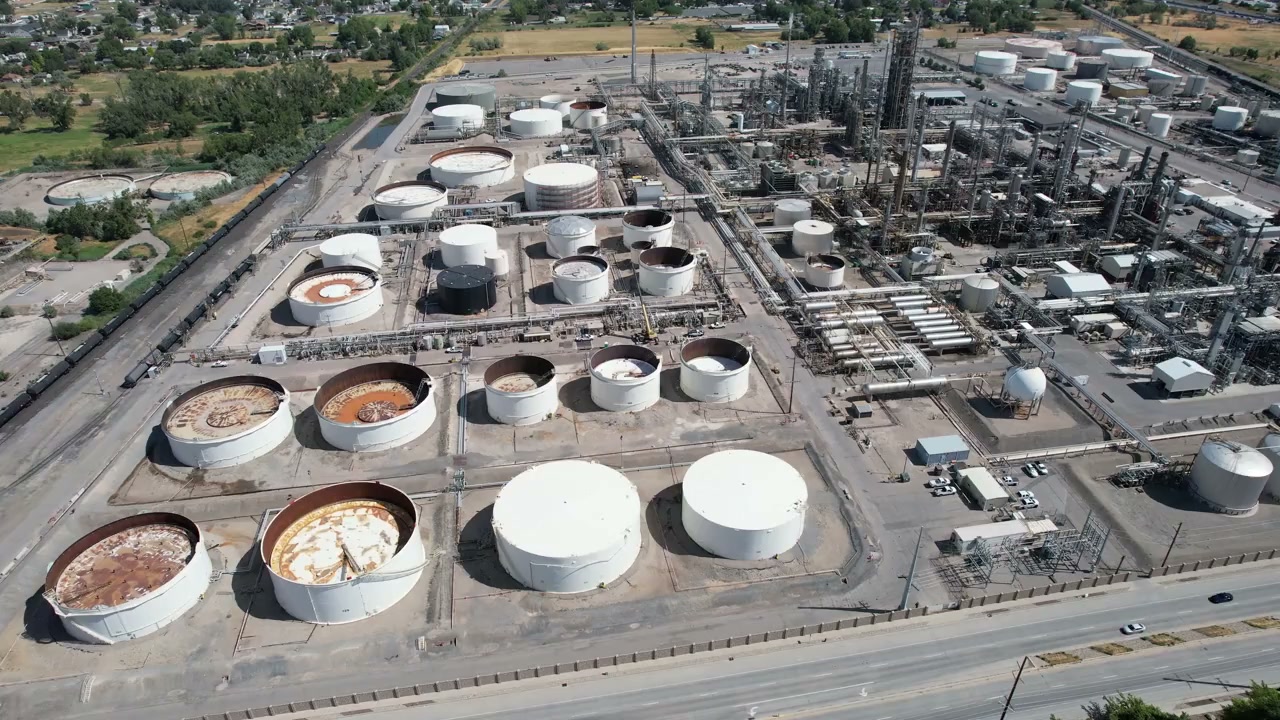
Review process water, drainage, treatment and discharge points, including variations in flow and operating conditions.
Agree parameters, locations, timing and quality controls for source water, effluent and receiving waters.
Interpret results alongside flows, receiving conditions and the agreed environmental assessment basis.
Identify source-control measures, treatment questions and monitoring needs for coordination with the infrastructure team.
What you receive
Deliverables and the level of detail are agreed for your assignment.
Detailed treatment-process design and network hydraulic design are additional engineering scopes rather than automatic parts of a water-quality assessment.
Methods, instruments & outputs
Methods and instrument classes are selected to the project conditions, data needs and agreed delivery scope.
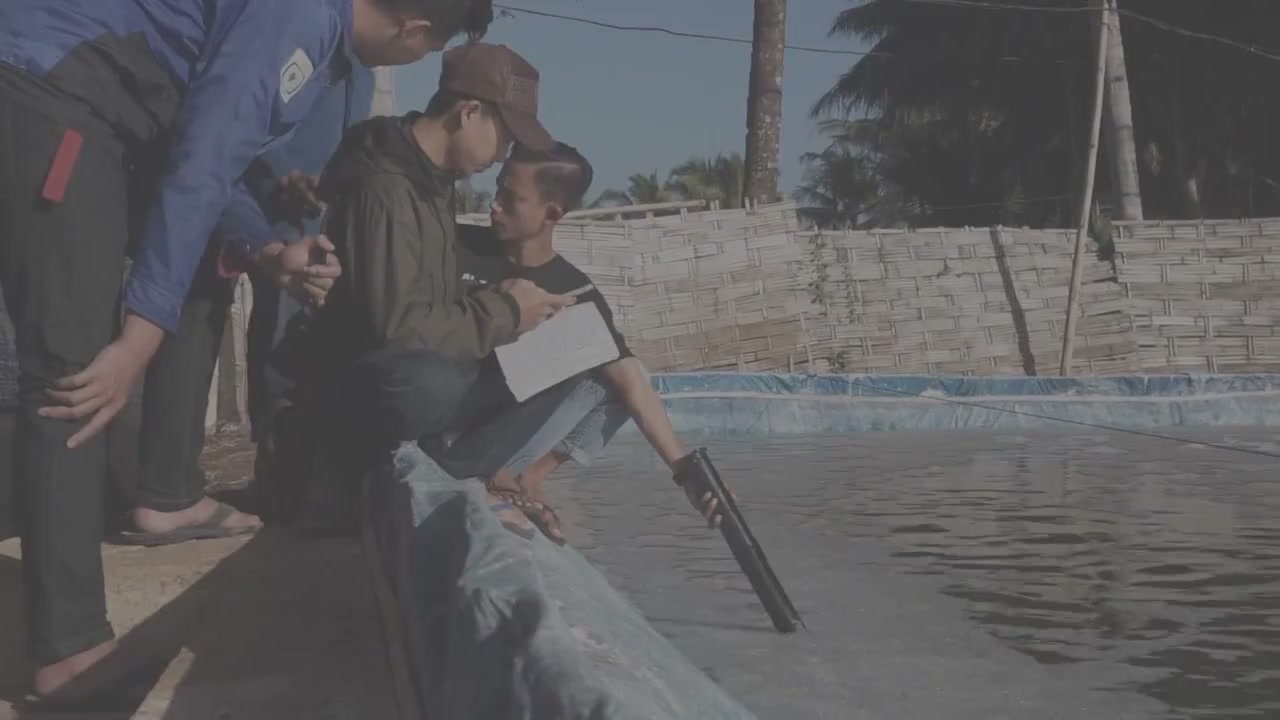
Distinguish surface water, groundwater, process wastewater and treated discharge. Select parameters, sampling locations and grab or composite methods for the relevant discharge or receptor.
Specify pH, conductivity, dissolved oxygen, temperature and turbidity measurements where relevant. Record probe checks, calibration and sampling conditions.
Agree container materials, preservatives, transport temperature and holding times with the laboratory. Maintain unique sample IDs and a complete chain of custody.
Review laboratory quality-control results and compare validated data with the agreed criteria. Provide sampling maps, trends, limitations and treatment or management recommendations.
Field acquisition, specialist equipment and laboratory analysis are identified in the proposal, including work undertaken by qualified delivery partners. The method statement records equipment, calibration, applicable methods and quality checks.
Tools & methods
The methods and specialist software are selected around the question, available information and agreed scope. Assumptions and limitations remain part of the technical record.
Map receiving waters, discharge points and sampling stations; relate water-quality evidence to site drainage and sensitive receptors.
Connect permit conditions, results, inspections and corrective actions.
Getting started
We will review the available evidence and define the work needed to address your project question.
Discuss your projectContinue exploring Environmental Consulting