Environmental sound
Specify sound-level meter performance, acoustic calibration checks, measurement duration, weather restrictions and representative operating conditions.


Environmental Consulting
Evaluate noise and vibration during construction and operation.
Explore our approachEnvironmental Consulting
Evaluate noise and vibration during construction and operation. Characterise baseline conditions and sources, assess sensitive receptors and test controls for the activities within the agreed scope. The work supports choices about equipment, working methods, layout and operating hours. It distinguishes existing conditions from the contribution of the proposed activity, and explains which predictions, observations and assumptions underpin the recommended controls for neighbouring people, buildings or sensitive uses.
Characterise baseline conditions and sources, assess sensitive receptors and test controls for the activities within the agreed scope.
Where this service fits
The specialist assessment connects representative measurements, source information and predictions with receptor effects and mitigation. It defines noise or vibration controls and follow-up needs. Recurring measurements and consolidated performance reports can form part of the wider monitoring programme.
Service in practice
Evaluate noise and vibration during construction and operation.
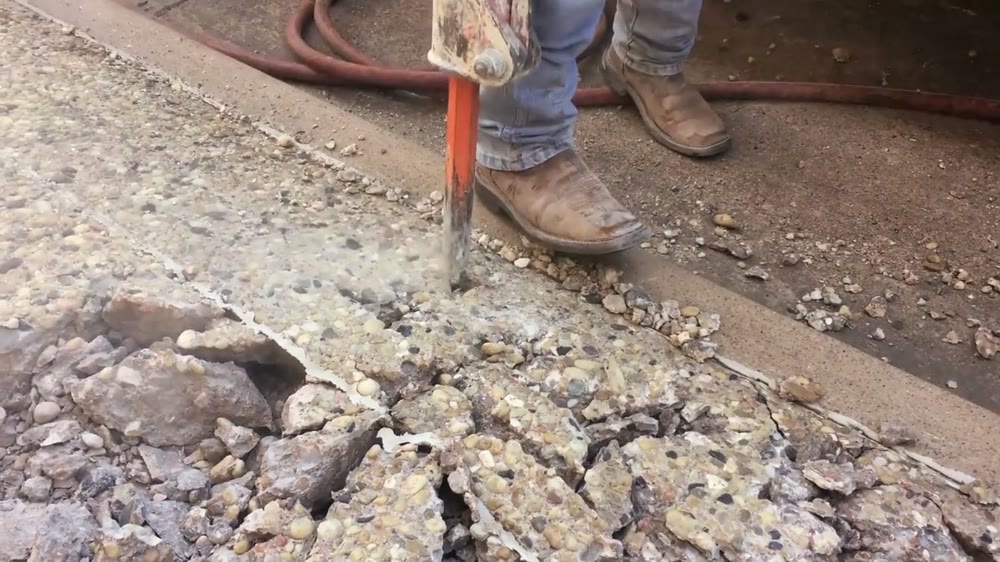
Workflow overview. Detailed methods, review stages and deliverables follow the agreed project scope.
From scope to delivery
Review equipment, work methods, schedules and nearby uses that may be sensitive to noise or vibration.
Plan representative measurements and document instrument checks, site activity and conditions during the survey.
Evaluate construction and operational scenarios using the agreed assessment method and receptor criteria.
Compare equipment, layout, timing and physical mitigation options and define any follow-up monitoring needs.
What you receive
Deliverables and the level of detail are agreed for your assignment.
Noise and vibration require different assessment inputs; structural-condition surveys and specialist building assessments are separately scoped where needed.
Methods, instruments & outputs
Methods and instrument classes are selected to the project conditions, data needs and agreed delivery scope.
Specify sound-level meter performance, acoustic calibration checks, measurement duration, weather restrictions and representative operating conditions.
Select vibration loggers or personal noise dosimetry for the agreed question. Keep environmental receptor assessment and occupational exposure criteria distinct.
Where included in the monitoring programme, use a calibrated lux meter at defined task-plane positions. Report illuminance, lighting conditions and practical improvements separately from noise.
Provide measurement locations, time histories or summary indicators, source observations, comparisons with applicable criteria and a prioritised control plan.
Field acquisition, specialist equipment and laboratory analysis are identified in the proposal, including work undertaken by qualified delivery partners. The method statement records equipment, calibration, applicable methods and quality checks.
Tools & methods
The methods and specialist software are selected around the question, available information and agreed scope. Assumptions and limitations remain part of the technical record.
Map noise sources, measurement positions and sensitive receptors; integrate site geometry and assessment outputs with the development layout.
Connect permit conditions, results, inspections and corrective actions.
Getting started
We will review the available evidence and define the work needed to address your project question.
Discuss your projectContinue exploring Environmental Consulting